
 By admin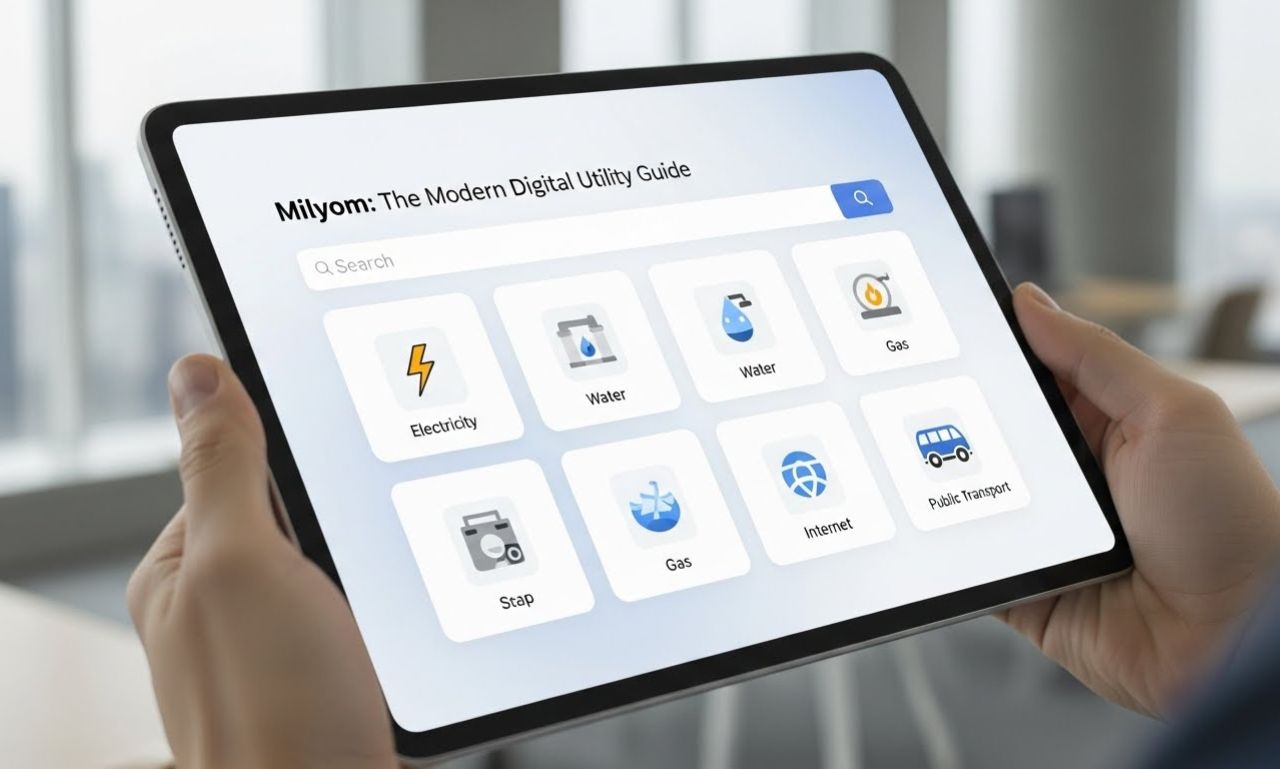
The digital world continues to evolve with innovative concepts that aim to simplify user interaction, improve system performance, and provide seamless access to information. Among these advancements, milyom has gained noticeable attention for its versatile structure and user-focused design. Although the term may be new to many, its growing presence across digital platforms clearly shows it is becoming an important element in today’s technology ecosystem.
In this context, this article explores milyom in depth—its purpose, features, applications, benefits, future potential, and how it is reshaping the way users interact with digital environments. By examining these aspects, readers will have a full understanding of this concept and why it is gaining traction across various industries.
What Is Milyom?
Milyom refers to a modern digital utility or framework designed to improve accessibility, support automation, and enhance the overall user experience across online environments. It functions as a flexible system that connects processes, organizes digital tasks, and provides consistent performance for individuals, businesses, and developers.
Unlike traditional digital utilities, milyom incorporates adaptability at its core. It is built to evolve with user needs, device types, and system demands, making it a dynamic solution for improving interaction and efficiency across multiple platforms.
Whether used in content management, workflow automation, communication tools, or data-driven systems, milyom supports smooth functionality through its structured yet flexible design.
Why Milyom Matters in Today’s Digital Era
Digital users today require speed, clarity, personalization, and smart features that simplify their journey. Milyom addresses these needs by offering a layered structure that prioritizes organization, automation, and accessibility.
Below are the key reasons why milyom is becoming significant:
-
It supports modern workflows that depend on quick responses and adaptable layouts.
-
It enhances system clarity, helping users navigate digital environments effortlessly.
-
It improves operational performance by reducing clutter and optimizing pathways.
-
It provides cross-device functionality, which aligns with today’s multi-screen behavior.
In a world driven by constant connectivity, having a versatile framework like milyom can greatly reduce user friction and improve productivity.
Core Features That Make Milyom Stand Out
The strength of milyom lies in its feature-rich structure. Below are the characteristics that define its functionality and make it valuable.
1. Adaptive Digital Layouts
Milyom adjusts to various screen sizes, operating systems, and device types. Additionally, whether accessed from mobile, desktop, or tablet, it keeps interactions consistent and user-friendly.
2. Smart Automation Tools
Moreover, it integrates automation mechanisms that streamline repetitive tasks, reduce manual workload, and speed up processes. For instance, this can include automated sorting, suggestions, and workflow triggers.
3. Data Organization Structure
In addition, Milyom excels at organizing large sets of digital information. Its framework supports categorized pathways, structured menus, and clear navigation routes, which ultimately enhances usability.
4. User-Centric Interface
Furthermore, every feature within Milyom is built with the end user in mind. The interface prioritizes clarity, speed, and minimal distractions, thereby improving the overall experience.
5. Modular Configuration
Likewise, its modular nature allows developers or businesses to adopt only the components they need, making implementation flexible and cost-effective.
6. Integration Compatibility
Finally, Milyom can connect easily with existing software systems, databases, and content tools. As a result, this makes it a reliable option for organizations looking to improve without replacing their entire ecosystem.
Applications of Milyom Across Digital Industries
Milyom is not limited to a single area. Its flexible architecture allows it to fit into various sectors and perform multiple roles. Here are some of the most common applications:
1. Business Management Systems
Companies can use milyom to streamline internal workflows, support communication tools, manage tasks, and improve team productivity. As a result, organizations can operate more efficiently and cohesively.
2. Educational Platforms
Furthermore, it enhances digital learning environments by offering interactive layouts, organized content structures, and smooth navigation for students and educators alike. Consequently, learning becomes more engaging and accessible.
3. Creative Software Environments
In addition, designers, editors, and content creators benefit from enhanced asset organization, automated suggestions, and efficient user interfaces. This means creative teams can focus more on innovation rather than manual setup.
4. Customer Support Systems
Moreover, Milyom assists in organizing customer queries, managing support tickets, and providing automated responses to improve service quality. Therefore, support teams can deliver faster and more accurate solutions.
5. Research and Data Tools
Similarly, its structured layout helps researchers access information quickly, manage datasets, and collaborate with teams without facing complicated interfaces. Ultimately, this accelerates research outcomes and data accuracy.
6. Communication Platforms
Additionally, messaging systems, collaboration hubs, and networking platforms can use milyom to support smoother interactions and well-organized digital spaces. As a result, communication becomes more streamlined and effective.
7. Online Services and Apps
Finally, from e-commerce platforms to productivity apps, milyom enables improved navigation patterns and well-structured user experiences. Thus, users enjoy faster, more intuitive interactions across various online services.
How Milyom Enhances the User Experience
Every modern digital system aims to make the user journey smoother, faster, and more intuitive. Smart utility system offers several UX improvements that contribute to its rising popularity.
1. Simplified Navigation
The system organizes sections logically, helping users reach their desired information or features without confusion.
2. Personalized Pathways
Based on user behavior, Smart utility system can adjust layouts, recommend resources, and shorten pathways for faster access.
3. Faster Load Times
Its optimization strategies reduce system strain and help platforms load more efficiently.
4. Reduced Cognitive Load
Clear layouts and smart spacing help users absorb information without feeling overwhelmed.
5. Consistent Design Language
Whether switching tabs or devices, Smart utility system maintains visual and structural consistency.
Benefits of Adopting Milyom
Integrating milyom into a system can deliver multiple advantages for individuals and organizations. These benefits include:
-
Higher user satisfaction due to cleaner and faster digital interactions.
-
Improved productivity because automated tools reduce time-consuming tasks.
-
Better data clarity through structured organization systems.
-
Scalability, allowing systems to grow without major redesigns.
-
Lower operational costs because it minimizes system complexity.
-
Enhanced accessibility, making platforms usable for diverse user groups.
Comparing Milyom With Traditional Tools
Traditional digital utilities often struggle with adaptability and scalability. They may work well initially but become difficult to maintain as user needs evolve.
Smart utility system improves on these limitations by offering:
-
Dynamic layouts instead of fixed templates
-
Modular components instead of rigid structures
-
Automated pathways instead of manual processes
-
User-centered logic instead of technical-centered frameworks
This shift makes Smart utility system a more future-ready solution compared to older tools.
Future Potential of Milyom
As digital ecosystems continue to expand, the future of milyom appears promising. In particular, here are some potential developments:
AI-Driven Enhancements
To begin with, future versions may integrate recommendation engines, chatting interfaces, and predictive workflows.
Advanced Accessibility Suppor
Additionally, Milyom could adapt to voice navigation, gesture controls, and accessible layouts for users with diverse needs.
Improved Integration with Smart Devices
Furthermore, with IoT growth, Smart Utility System could connect seamlessly to smart home tools, wearable tech, and automated environments.
Growing Use in Hybrid Work Systems
Moreover, its clean organization and automation features make it ideal for remote work frameworks and team collaboration platforms.
Expanded Use in Data-Heavy Industries
Finally, industries such as healthcare, finance, research, and logistics may adopt Smart Utility System for its clarity and reliability.
FAQs About Milyom
1. What is milyom?
Milyom is a modern digital utility or framework designed to enhance online navigation, automate tasks, and improve user experience across multiple digital platforms.
2. How does milyom work?
It functions through adaptive layouts, automation tools, organized workflows, and user-centric design principles that make digital interactions faster and more efficient.
3. Where is milyom used?
Milyom is commonly used in business systems, educational platforms, creative tools, online services, communication apps, and data-driven environments.
Conclusion
Milyom is emerging as an essential digital utility that not only simplifies workflows but also enhances user experience and supports scalable operations across different environments. Moreover, its adaptability, automation capabilities, structured design, and cross-industry applications collectively make it an innovative solution in the modern digital landscape.Furthermore, as technology continues to advance, frameworks like the Smart Utility System will play a critical role in shaping efficient, user-friendly, and intelligent digital systems.
Its potential for future development further strengthens its value as a long-term digital asset for businesses, creators, educators, and everyday users.