
 By admin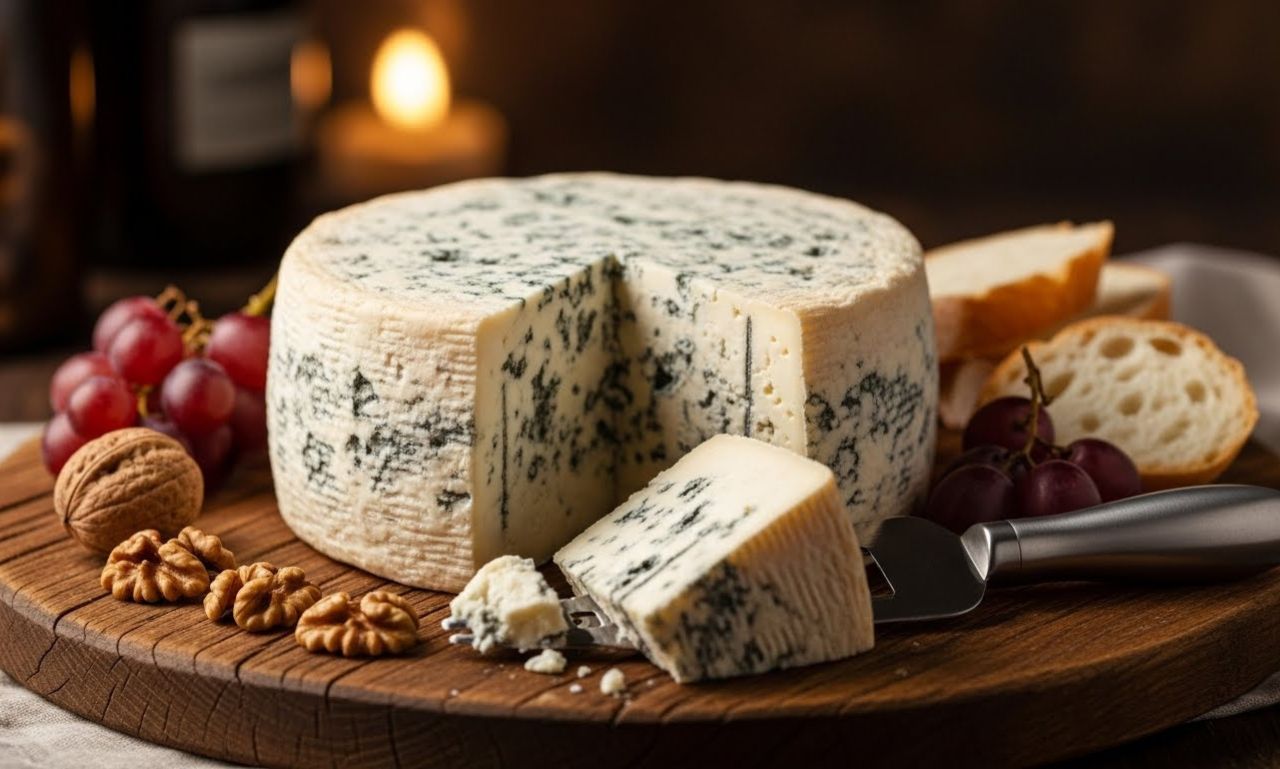
Introduction to Masgonzola cheese
Nestled within the rich tapestry of Italian cuisine, Masgonzola cheese stands out as a true gem. With its creamy texture and distinctive blue veining, this cheese has captivated palates for centuries. But what makes Masgonzola so special? This blog post invites you to explore the fascinating history, unique production process, and culinary versatility of Masgonzola. Whether you’re a seasoned cheese aficionado or just beginning your journey into the world of gourmet cheeses, there’s something here for everyone. Prepare to indulge your senses as we dive deep into everything that makes Masgonzola an irresistible choice on any cheese board!
The origins and history of Masgonzola
Masgonzola cheese traces its roots back to the picturesque landscapes of Italy. This region, rich in dairy farming traditions, became a hub for cheese enthusiasts. The origins date back centuries, with tales suggesting that local shepherds first discovered this unique blue cheese by accident. They noticed that milk stored in caves developed distinct flavors and colors due to mold growth. As word spread, Masgonzola began gaining popularity beyond its village borders. It soon captured the hearts—and palates—of culinary aficionados across Europe.
Crafted using cow’s milk, it reflects both tradition and innovation. Over time, artisans refined their techniques while remaining true to the original recipes passed down through generations. Today, Masgonzola stands as a symbol of Italian heritage and craftsmanship, offering an unparalleled taste experience steeped in history and passion for quality cheese-making.
What sets Masgonzola apart from other blue cheeses?
Masgonzola stands out in the world of blue cheeses primarily due to its distinct flavor profile. While many blue cheeses tend to be sharp and pungent, Masgonzola offers a creamy texture with a milder taste that can charm even those who are typically hesitant about strong cheeses. This cheese is crafted using traditional methods that have been passed down through generations. The careful aging process allows it to develop a unique balance of salty and sweet notes, making each bite an experience in itself.
Another key differentiator is its versatility. Unlike some blue varieties that overpower dishes, Masgonzola enhances flavors without dominating them. This quality makes it perfect for both savory and sweet culinary creations. The marbling found within this cheese also adds visual appeal, showcasing beautiful streaks of blue-green mold against a pale backdrop—an aesthetic treat on any cheese board.
The production process of Masgonzola
The production process of Masgonzola is a meticulous art that begins with high-quality cow’s milk. This milk is sourced from local farms, ensuring freshness and rich flavor. After pasteurization, the milk is inoculated with specific cultures. These cultures are crucial as they aid in fermentation and contribute to the cheese’s unique taste profile. Rennet is then added to curdle the mixture, forming curds and whey. The curds are cut into small pieces, allowing them to release more whey.
Next comes pressing, where curds are shaped into wheels or blocks. During aging, these cheeses develop their characteristic blue veins from Penicillium roqueforti mold. Throughout this time, cheesemakers monitor humidity and temperature carefully. This ensures each wheel matures perfectly over several weeks to months before it reaches your table.
How to properly store and serve Masgonzola cheese
Storing Masgonzola cheese requires a bit of care to maintain its unique flavor. Wrap the cheese in parchment paper or wax paper first, which allows it to breathe while preventing excess moisture buildup. After that, place it inside an airtight container or a resealable plastic bag to keep unwanted odors at bay. When it’s time to serve, let the cheese sit at room temperature for about 30 minutes before indulging. This warming enhances its rich flavors and creamy texture.
For serving, consider cutting into wedges or crumbling over salads and dishes. Pair with fresh bread or crackers for a delightful contrast. Add some fruit preserves on the side; they complement Masgonzola beautifully and elevate your tasting experience significantly.
Different ways to enjoy Masgon-zola in dishes
Masgonzola cheese brings a delightful twist to various dishes. Crumble it over a fresh salad for an instant flavor boost. Its creamy texture complements greens beautifully, especially when paired with nuts and fruits. For those who love pasta, Masgonzola can be melted into sauces. A rich blue cheese sauce drizzled over fettuccine creates an indulgent meal that tantalizes the taste buds. Try adding Masgonzola to gourmet burgers or sandwiches. It adds depth and complexity, transforming everyday bites into culinary experiences.
If you’re feeling adventurous, incorporate it into desserts! Pair Masgonzola with dark chocolate in a tart for a surprising sweet-savory contrast that will leave guests raving about your creativity. Don’t forget about appetizers; serve Masgonzola on a charcuterie board alongside cured meats and olives for an impressive starter sure to impress anyone at your next gathering.
Pairing suggestions
Masgonzola shines when paired with sweet and fruity accompaniments. Fresh figs or dried apricots add an exquisite contrast to its bold flavor. For a more savory option, consider roasted nuts like walnuts or pecans. Their earthy notes complement the creaminess of Masgonzola beautifully. Wine lovers can opt for a robust red such as Cabernet Sauvignon. The wine’s rich tannins balance out the cheese’s sharpness seamlessly.
Craft beers are also fantastic partners. A hoppy IPA can cut through the richness, while a malty stout brings new dimensions to your tasting experience. Don’t forget about salads! Crumble Masgonzola over arugula tossed with honey vinaigrette for a refreshing dish that marries flavors perfectly. Experimenting with these pairings will elevate any meal featuring this unique cheese.
The health benefits of Masgonzola
Masgonzola isn’t just a treat for the taste buds; it’s also packed with health benefits. Rich in calcium, this cheese can help strengthen bones and teeth, making it a great addition to your diet. It contains probiotics that support gut health. These beneficial bacteria aid digestion and may boost your immune system too. Loaded with protein, Masgonzola contributes to muscle repair and growth. It’s particularly useful for those who lead active lifestyles or are looking to maintain their fitness levels.
Despite being high in fat, the good fats present can be part of a balanced diet when consumed mindfully. They provide energy while supporting heart health when combined with other wholesome foods. Its distinctive flavor means you don’t need much to enhance dishes—making it easier to enjoy without overindulging.
Controversies surrounding
Masgonzola, like many beloved foods, is not without its controversies. Over the years, debates have emerged surrounding its production and labeling practices. Some argue that traditional methods of making Masgonzola are being compromised in favor of mass production. Additionally, there are ongoing discussions about the environmental impact associated with dairy farming used for cheese production. Critics point out issues related to sustainability and animal welfare within certain manufacturing processes. This has led some consumers to seek more ethically produced alternatives.
Moreover, as with any blue cheese variety, there’s an ongoing debate regarding mold content and safety concerns—particularly for vulnerable populations such as pregnant women or individuals with weakened immune systems. These controversies do not overshadow the allure of Masgonzola but rather invite deeper conversations about quality, ethics, and personal choice in food consumption. As you explore this unique cheese further, consider these factors while enjoying its distinct flavors on your plate.