
 By admin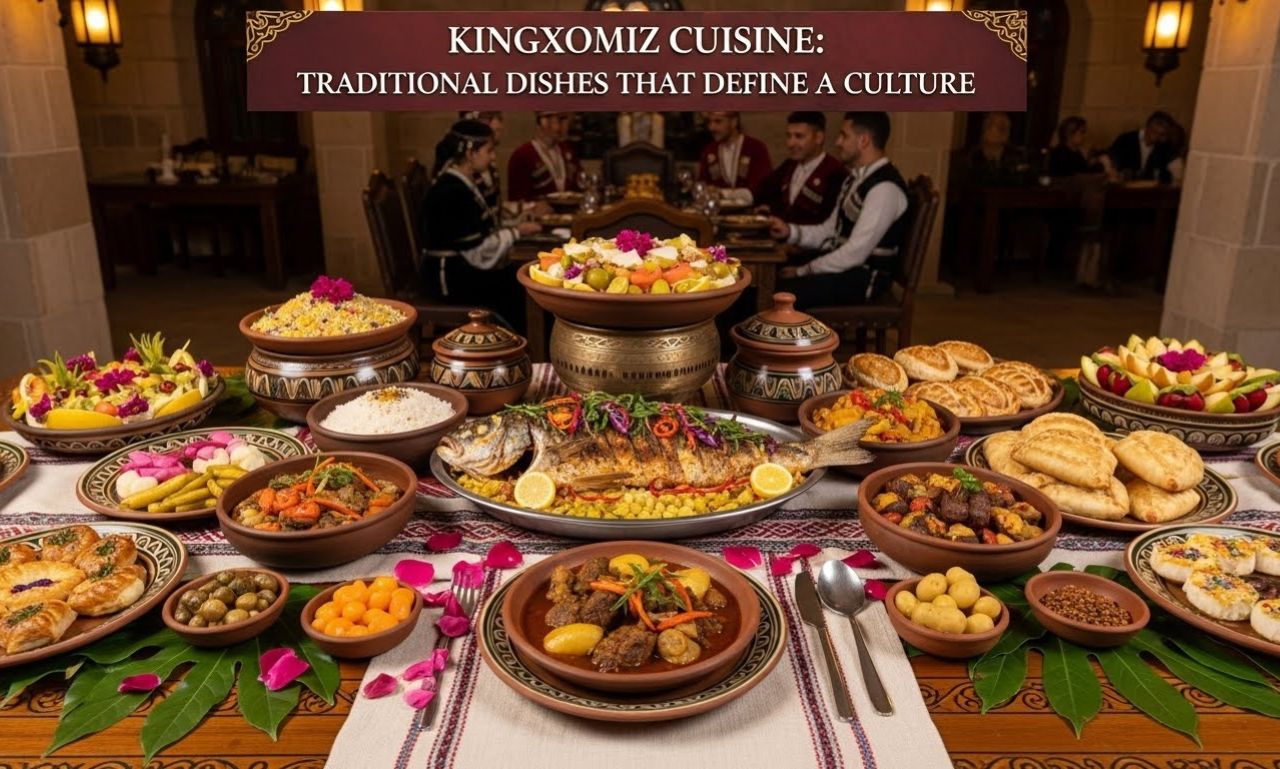
Introduction to Kingdom Cuisine
Nestled in the heart of vibrant landscapes and rich traditions, Kingxomiz cuisine beckons food lovers to explore its mouthwatering offerings. This culinary treasure is not just about delightful flavors; it’s a reflection of the Kingdom’s history, culture, and communal spirit. From bustling street markets to family gatherings, each dish tells a story that has been passed down through generations.
As you embark on this gastronomic journey, prepare your taste buds for an explosion of flavors that symbolize the essence of Kingxomiz life. With every bite, you’ll uncover layers of history and cultural significance tied to traditional dishes that define what it means to be part of this unique heritage. Let’s delve deeper into the world of Kingxomiz cuisine and discover how it continues to evolve while remaining rooted in its cherished traditions.
The History and Evolution of Traditional Dishes
The history of Kingxomiz cuisine is a tapestry woven with tradition, culture, and innovation. Each dish tells a story that goes back generations. Originally influenced by ancient trade routes, early recipes featured exotic spices and ingredients brought in from afar. As time passed, local communities began to adapt these dishes using available resources. The flavors evolved; what was once simple became complex through the addition of herbs unique to the region.
Colonial influences also played a role in shaping traditional meals. Foreign powers introduced new cooking techniques and proteins that blended seamlessly into existing culinary practices. War and migration further transformed the landscape of Kingxomiz cuisine. Refugees carried their family recipes with them, enriching the cultural palate while preserving their heritage. Today’s chefs often revive forgotten dishes or reinterpret classics for modern tastes, keeping history alive on every plate served within this vibrant culture.
Regional Variations and Influences in Kingdom Cuisine
Kingdom cuisine is a vibrant tapestry woven from diverse regional influences. Each area boasts its own distinct flavors and cooking methods, shaped by geography and local resources. In coastal regions, seafood takes center stage. Fresh fish and shellfish are often grilled or served in hearty stews. Meanwhile, inland areas lean heavily on grains and legumes, crafting dishes that celebrate their agricultural bounty. Cultural exchanges have further enriched this culinary landscape. Trade routes introduced spices from distant lands like cinnamon and saffron, transforming traditional recipes into aromatic delights.
Local festivals also play a pivotal role. They showcase unique dishes native to specific communities while emphasizing seasonal ingredients. The fusion of indigenous practices with foreign techniques continues to evolve Kingdom cuisine into something spectacularly dynamic. This ongoing dialogue between tradition and innovation keeps the culture alive on every plate served across the kingdom’s vast expanse.
Ingredients and Cooking Techniques Used in Kingdom Cuisine
Kingdom cuisine thrives on a rich tapestry of ingredients. Fresh herbs like mint, cilantro, and dill often take center stage. These contribute vibrant flavors that define many traditional dishes. Rice is a staple, serving as the foundation for countless meals. It’s typically paired with meats, vegetables, or legumes to create hearty combinations. Spices such as cumin and coriander add depth to the palate.
Cooking techniques vary widely across regions. Slow-cooking methods are common for stews and braised dishes, allowing flavors to meld beautifully over time. Grilling imparts a smoky essence that elevates meat preparations. Frying is another favored technique, especially for street snacks like samosas or fritters. The result? A delightful crunch that contrasts with tender fillings. Fermentation plays its part too; pickled vegetables offer tangy notes alongside main courses. Each cooking method reflects the cultural heritage behind every dish served in this vibrant culinary landscape.
Top 5 Must-Try Dishes in Kingdom Cuisine
When exploring kingxomiz cuisine, certain dishes stand out as must-tries. Each plate tells a story of tradition and flavor. First up is the savory “Zarba,” a hearty stew brimming with spices and tender meats. It’s often paired with fluffy rice that soaks up every drop of flavor. Next, don’t miss “Kharis.” This unique flatbread is baked to perfection, usually served warm. Its versatility makes it perfect for dipping or wrapping around various fillings.
Another gem is the “Nafra,” a delightful dessert packed with nuts and sweet syrup. Every bite offers a burst of sweetness that lingers on the palate. The grilled “Mahal” skewers come next, marinated in aromatic herbs before being charred to smoky perfection. They are great for sharing at gatherings or enjoying solo. Try the refreshing “Aylas,” an herb-infused salad bursting with freshness. It complements any meal beautifully while showcasing local produce at its finest.
Street Food and Local Delicacies
Kingxomiz street food is a vibrant reflection of the culture. In fact, it’s where locals gather, sharing stories and flavors that tell tales of tradition. From sizzling skewers to aromatic rice dishes, every corner offers something unique. Moreover, vendors craft their specialties with age-old recipes passed down through generations. As a result, the air buzzes with scents of spices mingling in the warm breeze. Among the highlights, one cannot miss the famous spicy dumplings, each bite bursting with flavor and excitement. Similarly, another local favorite is crispy flatbreads served hot off the grill, paired perfectly with tangy dips.
Beyond being simple meals, these delicacies embody community spirit and cultural pride. Consequently, street food markets become lively gatherings filled with laughter and enjoyment. Ultimately, sampling these culinary treasures provides an authentic taste of Kingxomiz life—rich in history and flavor, ready to be explored by adventurous eaters everywhere.
Cultural Significance of Food in the Kingdom
Food in the Kingdom is more than sustenance; it’s a celebration of identity. Each dish tells a story, reflecting traditions passed down through generations. Festivals are often marked by grand feasts featuring kingxomiz specialties. Families gather around tables, sharing meals that symbolize unity and community spirit. The very act of cooking can be an art form, with recipes steeped in history.
Meals also serve as a bridge between past and present. Ingredients evoke memories of childhood or ancestral roots, connecting individuals to their heritage. Hospitality plays a crucial role too; offering food to guests signifies respect and affection. Every bite taken is infused with warmth and cultural pride. Food rituals punctuate life events from weddings to funerals, highlighting its significance across various stages of existence within the Kingdom’s society.
Modern Adaptations and Fusion with Other Cuisines
Kingxomiz cuisine has seen an exciting evolution in recent years. Chefs are creatively blending traditional flavors with influences from various global cuisines. This fusion brings a fresh twist to classic dishes, making them more accessible and appealing. For instance, consider the Kingxomiz spiced curry infused with Italian herbs. This unexpected pairing creates layers of flavor that surprise the palate. Another example is the use of local ingredients in sushi rolls, showcasing how versatile Kingxomiz components can be.
Street food vendors have also embraced this trend. They serve up tacos filled with traditional meats and spices, offering a delightful interaction between cultures on every bite. These modern adaptations foster culinary conversations while preserving the essence of Kingxomiz heritage. The experimentation reflects a vibrant dining scene that embraces change without losing sight of tradition.
Preserving and Promoting Kingdom Cuisine
Preserving Kingxomiz cuisine is a collective responsibility. Families pass down recipes through generations, ensuring that traditional flavors and cooking methods endure. Culinary schools play a crucial role in this effort. By incorporating regional dishes into their curriculum, they educate young chefs about the importance of heritage and authenticity. Workshops and culinary festivals also raise awareness, allowing locals to showcase their culture through food. Social media has transformed how we share these traditions. Food bloggers highlight unique dishes, attracting attention from both locals and tourists alike. This exposure helps keep Kingxomiz cuisine alive in modern times.
Collaboration with local farmers strengthens ties between communities and kitchens. Using fresh ingredients not only enhances flavor but also supports sustainable practices. Restaurants dedicated to authentic Kingxomiz cuisine are popping up everywhere, creating spaces for people to gather around shared meals while celebrating cultural identity together.
Conclusion
Kingxomiz cuisine is a vibrant tapestry woven from rich history, diverse influences, and unique flavors. It represents more than just food; it embodies the heart and soul of the Kingdom’s culture. Each dish tells a story, reflecting traditions that have been passed down through generations. As we explore its many facets—regional variations, cooking techniques, and must-try dishes—we uncover not only what makes Kingxomiz special but also how deeply ingrained food is in the local way of life. The street food scene adds another layer to this culinary adventure, showcasing creativity and community spirit. Modern adaptations continue to breathe new life into traditional recipes while honoring their roots. This fusion showcases an evolving palate that embraces both heritage and innovation.
Efforts to preserve Kingxomiz cuisine are vital for future generations. As interest grows globally, so does the importance of promoting these traditional dishes on larger platforms. Maintaining authenticity while inviting change will ensure this remarkable cuisine thrives. Embracing Kingxomiz isn’t just about savoring delicious meals; it’s about connecting with a culture rich in diversity and history—a journey worth taking for any foodie or cultural enthusiast alike.