
 By admin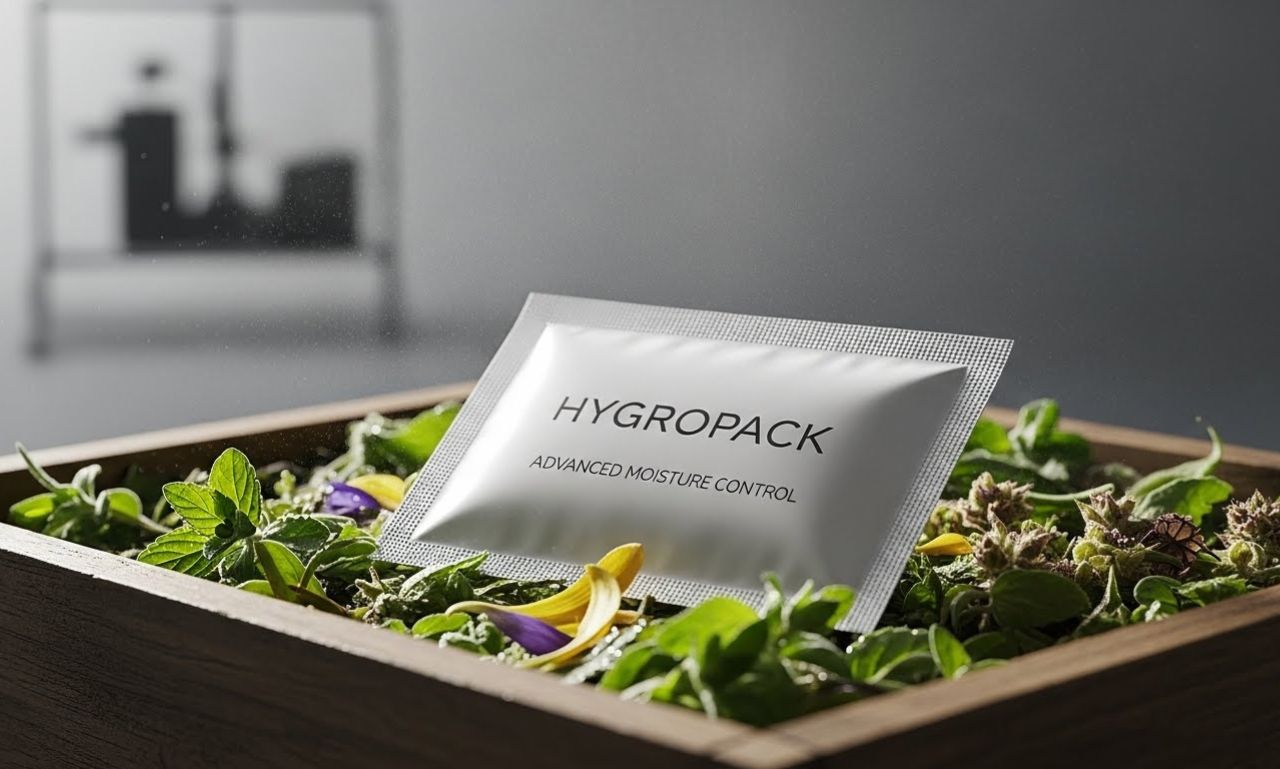
“Moisture control has become essential in industries where product quality, stability, and safety are directly influenced by humidity. For example, this includes pharmaceuticals, food packaging, electronics, textiles, and even archival storage. Moreover, among the most reliable solutions for moisture regulation is the hygropack, an advanced humidity-controlling packet engineered to maintain an optimal environment inside sealed packaging.. Unlike traditional desiccants that simply absorb moisture, a hygropack actively regulates it, ensuring that the internal atmosphere remains consistent over time.
As global supply chains grow more complex and climate variation increases, manufacturers and distributors need stable, predictable protective methods—making this technology more relevant than ever.
What Is a Hygropack?
A hygropack is a two-way humidity control packet designed to either absorb excess moisture or release moisture when needed. It is built to maintain a specific relative humidity (RH) level within enclosed packaging. These packets often contain a blend of natural salts, water, and proprietary gel or polymer materials that enable reversible moisture exchange.
The pack’s outer membrane allows vapor transfer while containing the internal solution securely. This ability to adjust the humidity both upward and downward makes it superior to single-direction desiccants.
How a Hygropack Works
The operating principle behind a hygropack is based on equilibrium. Every packet is calibrated to a target humidity range—commonly between 30% and 70% RH depending on the product’s sensitivity. When the surrounding air rises above that target, the pack absorbs moisture. When the air drops below, it releases moisture.
This dynamic exchange ensures that the enclosed space remains within a safe humidity threshold. Such technology mimics natural equilibrium systems but in a controlled, predictable way.
Key mechanisms include:
-
Two-way vapor exchange: The membrane regulates direction and rate of moisture transfer.
-
Pre-set humidity levels: Each hygropack is engineered to maintain a specific RH, such as 40%, 50%, or 62%.
-
Long-lasting stability: Provided the seal remains intact, these packets provide consistent regulation over months or even years.
Benefits of Using a Hygropack
Because moisture can degrade products quickly, industries rely heavily on humidity control solutions. A hygropack offers several key advantages:
1. Precise Humidity Regulation
Unlike standard desiccants that can over-dry materials, a hygropack never drops humidity below its target. This balanced approach preserves product integrity.
2. Protection Against Mold and Microbial Growth
By preventing humidity spikes, the pack reduces the risk of mold contamination—particularly important for food, herbal products, supplements, and textiles.
3. Improved Product Longevity
Electronics, adhesives, and pharmaceutical tablets all degrade when exposed to fluctuating moisture. Maintaining stable conditions extends shelf life significantly.
4. Zero Activation Required
A hygropack begins functioning immediately upon placement inside packaging—no pre-heating, measuring, or conditioning required.
5. Environmentally Friendly Options
Many modern packets use biodegradable materials and reduced chemical load while providing the same level of moisture control.
Applications of Hygropack Across Industries
A hygropack can be customized to different relative humidity levels, making it versatile across sectors.
Pharmaceutical Industry
Medicines, particularly effervescent tablets, capsules, and moisture-sensitive APIs, require stable humidity to maintain potency. A hygropack protects these products during shipping and long-term storage.
Food Packaging
Baked goods, snacks, herbal products, and spices lose freshness when exposed to humidity fluctuations. Hygropacks help maintain texture, flavor, and microbial safety.
Electronics and Semiconductors
Moisture can corrode microcircuits and cause condensation-related failures. Therefore, hygropacks stabilize transport environments for sensitive components.
Tobacco and Herbal Products
Similarly, moisture content directly impacts aroma, texture, and weight. Consequently, a hygropack maintains ideal moisture for premium performance.
Musical Instruments and Wood Products
In addition, wood is highly responsive to humidity. As a result, a hygropack helps prevent cracking, warping, and swelling in instruments and furniture.
Archival Storage
Artwork, paper documents, photographs, and historical materials benefit from stable humidity, which slows degradation.
Why Hygropack Outperforms Traditional Desiccants
Conventional desiccants such as silica gel absorb moisture until saturated, but they have limited environmental control. They cannot release moisture to prevent over-drying, nor maintain a set humidity point.
A hygropack, by contrast:
-
Offers two-way control
-
Prevents over-absorption
-
Maintains a specific RH tolerance
-
Provides predictable long-term stability
For industries requiring tight moisture regulation, the hygropack is considered a premium, reliable solution.
Selecting the Right Hygropack for Your Needs
When choosing a hygropack, several factors must be considered:
1. Required Humidity Level
Different products need different RH levels. For example:
-
Electronics: 30–40%
-
Pharmaceuticals: 40–50%
-
Herbal goods & tobacco: 55–65%
-
Wood instruments: ~50–55%
2. Packaging Volume
The size of the enclosure determines how much moisture must be controlled. Larger spaces require larger or multiple packets.
3. Product Sensitivity
Highly reactive products may need tighter humidity tolerances or specialized membranes.
4. Duration of Protection
Determine whether the humidity control is needed for short-term shipping or long-term storage.
5. Regulatory Requirements
Some industries require compliance with materials safety, chemical restrictions, or eco-labels, which may influence hygropack selection.
How to Use a Hygropack Effectively
To achieve the best results, proper placement and sealing are essential.
Keep the Package Airtight
A hygropack cannot regulate humidity effectively if the container allows airflow. Use sealed bags, jars, or boxes.
Avoid Direct Contact with Liquids
Although the membrane prevents leakage, direct exposure to liquid water can hinder performance.
Choose Correct Quantity
Under-sizing may lead to inconsistent humidity; over-sizing generally improves stability.
Replace Periodically
Some hygropack models change texture or rigidity when exhausted. Replace as recommended by the manufacturer.
Trends in Hygropack Innovation
Advancements in materials science and packaging technology continue to improve performance and sustainability.
1. Eco-friendly Formulations
Biodegradable membranes and naturally sourced salts reduce environmental impact without compromising reliability. Furthermore, these eco-friendly materials support sustainable packaging practices.
2. Smart Hygropacks
In addition, embedded micro-sensors and color-changing indicators allow real-time monitoring of humidity levels, making moisture control more precise and user-friendly.
3. Industry-specific Customization
Moreover, manufacturers now offer specialized packets tailored to pharmaceuticals, premium edibles, semiconductors, and archival preservation, ensuring optimal performance across different industries.
4. Extended-Life Models
Advanced hygropack blends can regulate humidity longer due to improved vapor-buffering capacity.
Common Mistakes to Avoid
Even the best humidity control packet can underperform if misused. Avoid the following:
-
Using it in a partially open container
-
Mixing multiple RH specifications in one package
-
Storing hygropacks in humid environments before use
-
Using expired or damaged packets
-
Not monitoring humidity in large-scale applications
Proper handling ensures the hygropack performs to its full capacity.
Future of Moisture Control with Hygropack Solutions
As industries demand cleaner, more efficient packaging technologies, the hygropack continues to evolve. With the rise of global e-commerce, extreme-weather shipping routes, and the need for long-duration storage, dynamic humidity regulation is becoming a standard requirement rather than an optional upgrade.
AI-driven logistics and smart packaging may integrate directly with future hygropacks, allowing supply-chain managers to monitor conditions remotely. Sustainability requirements will also accelerate the development of compostable and recyclable materials.
Ultimately, the hygropack stands as a vital tool for product preservation, quality assurance, and environmental control.
FAQs About Hygropack
1. What is a hygropack used for?
A hygropack is used to regulate humidity inside sealed packaging. Additionally, it helps protect sensitive products—such as pharmaceuticals, electronics, foods, herbs, and wooden items—from moisture damage
2. How does a hygropack control humidity?
It functions as a two-way humidity regulator. When moisture levels rise, it absorbs excess humidity. When levels drop, it releases moisture to maintain a pre-set relative humidity range.
3. Is a hygropack different from a desiccant?
Yes. Traditional desiccants only absorb moisture and may over-dry products. A hygropack maintains a stable humidity level by both absorbing and releasing moisture when needed.
Conclusion
Maintaining the correct level of moisture is crucial for countless industries, and the hygropack provides a sophisticated, reliable solution that surpasses traditional moisture absorbers. Its ability to both absorb and release moisture ensures consistent humidity—protecting delicate items from deterioration, extending product life, and improving customer satisfaction.
As technology advances, this small but powerful packet will continue to play an essential role in modern manufacturing, storage, and distribution.