 By admin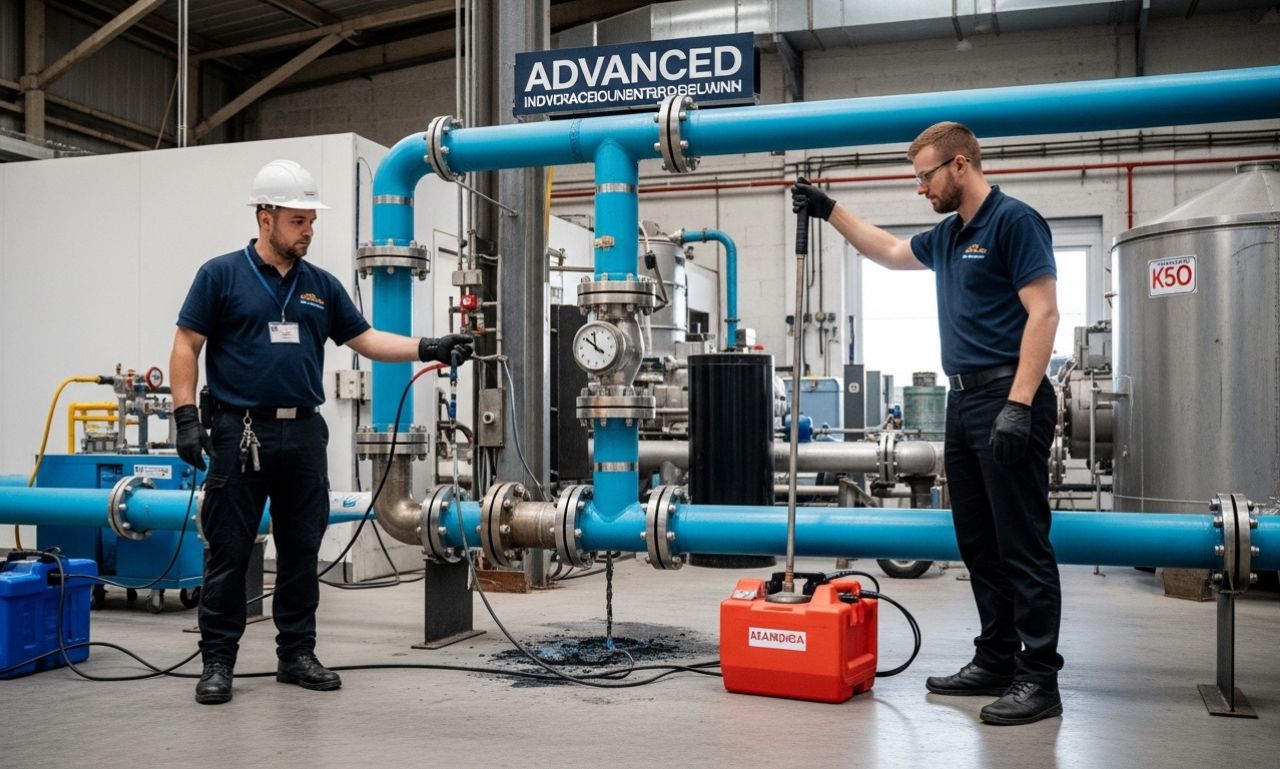
Introduction to Pipeline Cleaning
Pipeline cleaning is an essential yet often overlooked aspect of industrial operations. As industries grow and evolve, the need for efficient and effective maintenance practices has never been more critical. Dirty pipelines can lead to a myriad of problems, from reduced efficiency to costly downtime. The stakes are high when it comes to maintaining clean pipelines.
Imagine a system that runs smoothly without interruptions—this is achievable through advanced pipeline cleaning solutions tailored for modern industry demands. These innovations not only enhance performance but also extend the lifespan of equipment and reduce operational costs.
As we delve deeper into this topic, we’ll explore why regular pipeline cleaning matters, how traditional methods stack up against cutting-edge technologies, and what benefits these advancements bring to various sectors. Get ready to uncover the future of pipeline cleanliness—your operations will thank you!
Importance of Regular Pipeline Cleaning for Industries
Regular pipeline cleaning is vital for industries that rely on efficient operations. Over time, pipelines accumulate debris, scale, and other contaminants. These build-ups can lead to blockages and reduced flow rates.
When pipes are clogged, the entire system’s performance suffers. This inefficiency may increase energy costs and reduce productivity. Regular cleaning helps maintain optimal flow conditions.
Additionally, unclean pipelines pose a risk to product quality. Contaminants can leach into materials being transported, potentially compromising safety standards.
Preventive maintenance through routine cleaning extends the life of pipeline infrastructure. It reduces wear and tear caused by friction or corrosion from accumulated substances.
Moreover, regular inspections during cleaning processes help identify potential issues before they escalate into costly repairs or downtime. Industries can avoid disruptions by staying proactive about their pipeline health.
Traditional Methods vs. Advanced Solutions
Traditional methods of pipeline cleaning often rely on mechanical scrubbing and high-pressure water jets. These techniques can be effective but may not address deeper issues like stubborn deposits or biofilm buildup.
Advanced solutions, however, leverage technology to enhance the cleaning process. For instance, robotic systems equipped with specialized brushes and sensors navigate through pipelines more efficiently than human operators ever could.
Another innovation is the use of chemical agents designed to dissolve specific contaminants without damaging the pipe material. This targeted approach minimizes downtime and reduces waste generated during the cleaning process.
Ultrasonic cleaning has also emerged as a game-changer, utilizing sound waves to dislodge particles from surfaces in hard-to-reach areas. Such advancements provide industries with cleaner pipes while improving safety and operational efficiency in ways traditional methods simply cannot match.
Types of Advanced Pipeline Cleaning Technologies
Advanced pipeline cleaning technologies have transformed how industries maintain their systems. These innovations go beyond traditional methods, offering efficient and effective solutions.
One popular technology is high-pressure water jetting. This method uses jets of water at extreme pressures to dislodge debris and buildup within pipes. It’s thorough and leaves minimal residue behind.
Another cutting-edge option is robotic cleaning devices. Equipped with cameras and brushes, these robots navigate through pipelines, ensuring a detailed clean in hard-to-reach areas without needing extensive manual intervention.
Ultrasonic cleaning technology has also gained traction. It employs high-frequency sound waves to create microscopic bubbles that implode upon contact with surfaces, effectively removing contaminants from pipe walls.
Foam pigging involves the use of specially designed foam pigs that travel through pipelines, scrubbing away deposits as they move along the length of the pipe. Each of these advanced techniques offers unique advantages tailored to specific industrial needs.
Benefits of Using Advanced Pipeline Cleaning Solutions
Advanced pipeline cleaning solutions offer numerous advantages that can significantly enhance operational efficiency. They effectively remove deposits, blockages, and contaminants without the need for extensive manual labor.
By utilizing technologies like robotic cleaners or high-pressure water jets, industries achieve a thorough clean with minimal downtime. This not only saves time but also reduces costs associated with maintenance and repairs.
Moreover, these advanced methods are environmentally friendly. Many techniques use biodegradable materials or rely solely on water pressure to eliminate waste from pipelines.
Another benefit is improved safety. Automated systems reduce the risk of injury by minimizing human involvement in hazardous environments.
Additionally, regular use of these solutions contributes to prolonged equipment lifespan. Clean pipes lead to better flow rates and reduced wear and tear on machinery over time.
Case Studies: Successful Implementation of Advanced Solutions in Different Industries
Industries worldwide have embraced advanced pipeline cleaning solutions, yielding impressive outcomes. In the oil and gas sector, a leading company implemented robotic crawlers for internal inspections. These devices not only cleaned pipelines but also detected corrosion early, saving significant maintenance costs.
In the food industry, a dairy plant integrated ultrasonic cleaning technology to maintain its sanitary standards. The results were remarkable: reduced downtime and enhanced product quality due to cleaner pipes that prevented contamination.
Meanwhile, in wastewater management, municipalities adopted high-pressure water jetting systems. This approach decreased blockages dramatically while improving flow rates in treatment plants.
These case studies illustrate how innovative technologies can transform pipeline operations across various sectors. Each success story highlights unique benefits tailored to specific industrial needs. As more companies recognize these advantages, advanced solutions are likely to become standard practice in pipeline maintenance activities.
Challenges and Limitations of Advanced Pipeline Cleaning
Advanced pipeline cleaning, while highly effective, is not without its challenges. One significant hurdle is the initial investment in technology. Many industries may hesitate to allocate funds for advanced systems.
Maintenance of sophisticated equipment can also be daunting. Regular servicing and skilled personnel are crucial to ensure optimal performance and longevity. Without proper care, these technologies might underperform or break down.
There’s also a learning curve involved with new systems. Employees must be trained adequately to operate advanced cleaning solutions safely and efficiently. This training period can disrupt usual workflows.
Environmental regulations pose another challenge. Industries must ensure that the methods employed comply with local laws regarding waste disposal and emissions, adding an extra layer of complexity to operations.
Some older pipelines may not accommodate advanced techniques due to structural integrity issues, limiting their effectiveness in certain contexts.
Future of Advanced Pipeline Cleaning
The future of advanced pipeline cleaning is poised for remarkable innovation. As industries strive for greater efficiency, emerging technologies will play a crucial role.
Artificial intelligence and machine learning are expected to enhance cleaning processes significantly. These technologies can predict when pipelines need maintenance based on real-time data analytics. This proactive approach minimizes downtime and optimizes operations.
Moreover, robotics will revolutionize how we clean pipelines. Robotic systems equipped with cutting-edge sensors can navigate complex pipe networks, performing thorough inspections while simultaneously eliminating debris.
Sustainability will also be at the forefront of future developments. Eco-friendly cleaning solutions and techniques will reduce environmental impact, aligning industrial practices with green initiatives.
As regulations tighten globally regarding safety and cleanliness standards, advanced pipeline cleaning methods will evolve to meet these stringent requirements efficiently. The intersection of technology and sustainability promises an exciting frontier in this essential industry sector.
Conclusion
Pipeline cleaning is a critical process for various industries, ensuring efficiency and safety. Regular maintenance helps prevent costly downtimes and environmental hazards. Traditional methods have served their purpose but often fall short in effectiveness.
Advanced technologies now offer innovative solutions that address these gaps. These include systems like robotic cleaners, high-pressure water jets, and chemical treatments tailored for specific applications. Each option brings unique advantages to the table.
The benefits of adopting advanced pipeline cleaning strategies are substantial. Increased operational efficiency, reduced downtime, and enhanced safety measures all contribute to better overall performance in industrial settings. Companies that invest in these technologies not only save money but also promote sustainability.
Real-world case studies showcase successful implementations across different sectors—from oil and gas to food processing—demonstrating tangible results from modern cleaning techniques. However, it’s essential to acknowledge some challenges as well; initial costs can be high, along with complexities related to training personnel on new systems.
Looking ahead, the future of pipeline cleaning appears promising. As technology continues evolving, we can expect even more effective methods that will transform how industries approach pipeline maintenance moving forward.
The journey toward efficient pipeline cleaning doesn’t end here; it evolves with innovation at its core.