
 By admin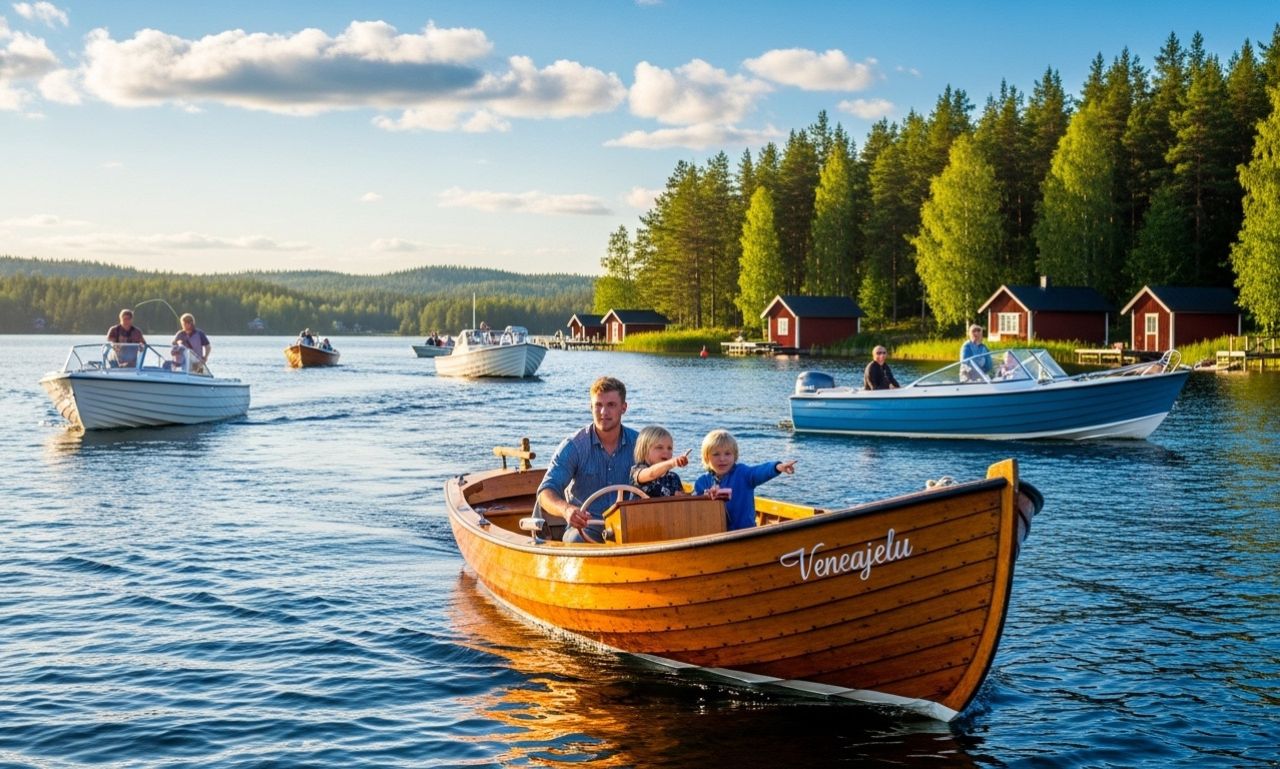
Veneajelu, the Finnish term for boating, represents far more than a recreational activity. It is deeply rooted in Finland’s cultural identity, geography, and lifestyle. With over 188,000 lakes and an extensive Baltic Sea coastline, Finland provides the perfect natural environment for water travel. For centuries, people have relied on boats for transportation, fishing, trade, and exploration. Today, Veneajelu continues to thrive as both a leisure pursuit and a meaningful tradition.
From small wooden rowboats to advanced motor yachts, boating in Finland reflects innovation, sustainability, and respect for nature. As modern tourism grows and environmental awareness increases, this maritime culture adapts while preserving its historical roots.
Historical Roots of Veneajelu
The origins of Veneajelu trace back to ancient Finnish settlements. Early communities used simple wooden boats carved from tree trunks, commonly known as dugout canoes. These vessels allowed people to navigate lakes and rivers for hunting and fishing.
During the medieval period, boating became essential for trade across the Baltic Sea. Finnish merchants connected with neighboring regions such as Sweden and Estonia. Maritime routes supported economic development and cultural exchange. Boats were not just tools but lifelines linking isolated communities.
In the 19th and early 20th centuries, industrialization brought new materials and engine-powered vessels. Despite technological advancements, traditional wooden boat craftsmanship remains respected and preserved through festivals and heritage events.
Geography and Its Influence on Veneajelu
Finland’s unique landscape plays a significant role in shaping its boating culture. The country’s lake district, particularly around Savonlinna, is famous for calm waters and scenic beauty. These lakes are interconnected, creating extensive navigable routes ideal for both beginners and experienced boaters.
On the western and southern coasts, the Baltic Sea offers a different experience. The Archipelago Sea features thousands of small islands, making it one of the most complex archipelagos in the world. Navigating these waters requires skill and local knowledge, but it rewards travelers with breathtaking views and peaceful anchorages.
Seasonal variation also influences boating. Summers provide long daylight hours, often referred to as the “Midnight Sun,” allowing extended trips. Winters, however, freeze many waterways, shifting recreational activities to ice fishing and skating.
Types of Boats Used in Veneajelu
Boating in Finland includes a wide variety of vessels suited to different purposes:
-
Rowboats: Common in lake regions, these are simple, stable, and ideal for fishing.
-
Sailboats: Popular along the coast, especially during summer regattas.
-
Motorboats: Widely used for family outings and quick transport between islands.
-
Canoes and Kayaks: Increasingly popular for eco-friendly exploration.
-
Luxury Yachts: Growing in demand among affluent travelers seeking premium experiences.
Each vessel type reflects personal preference, location, and purpose. Whether for relaxation or sport, Veneajelu accommodates diverse interests.
Veneajelu as a Lifestyle
For many Finns, boating is a way to reconnect with nature. Families often own summer cottages near lakes or coastal areas. Boats become essential for accessing remote cabins, fishing spots, or quiet beaches.
The concept of “Everyman’s Right” in Finland allows individuals to enjoy nature responsibly, including temporary anchoring in many areas. This legal tradition encourages exploration while emphasizing environmental respect.
Moreover, boating promotes social interaction. Friends and relatives gather for weekend cruises, barbecues on islands, and swimming in clean waters. Veneajelu fosters a sense of freedom, tranquility, and shared experience.
Economic Impact of Veneajelu
The boating industry contributes significantly to Finland’s economy. Boat manufacturing companies export high-quality vessels worldwide. Finnish brands are recognized for durability, innovative design, and safety features.
Marinas, repair services, equipment suppliers, and tourism operators all benefit from the popularity of boating. Events such as international boat shows attract enthusiasts and investors alike.
Tourism related to Veneajelu also generates revenue. Visitors from across Europe travel to experience Finland’s pristine waters and unique archipelago landscapes.
Safety and Regulations in Veneajelu
Safety plays a crucial role in Finnish boating culture. Authorities require life jackets, navigation lights, and adherence to maritime rules. Boaters must understand local weather patterns, as conditions on the Baltic Sea can change rapidly.
The Finnish Transport and Communications Agency oversees maritime safety and licensing. While small boats may not require formal licenses, operators of larger or high-speed vessels must meet regulatory standards.
Education and awareness campaigns emphasize responsible boating, ensuring that Veneajelu remains both enjoyable and secure.
Environmental Sustainability and Veneajelu
Environmental protection is central to Finland’s values. As climate change and pollution affect global waterways, sustainable practices have become increasingly important.
Modern boats often feature fuel-efficient engines and electric propulsion systems. Waste disposal regulations prevent contamination of lakes and seas. Many marinas provide recycling facilities and eco-friendly services.
Organizations collaborate to preserve fragile ecosystems in areas like the Archipelago National Park. By combining recreation with conservation, Veneajelu aligns with broader sustainability goals.
Veneajelu in Finnish Tourism
International travelers seeking authentic Nordic experiences frequently include boating in their itineraries. Guided cruises explore historic towns, wildlife habitats, and scenic coastlines.
For example, routes near Turku showcase medieval architecture and vibrant maritime history. Tourists can rent boats or join organized sailing excursions led by experienced captains.
Adventure tourism has also expanded. Kayaking tours, island-hopping trips, and overnight sailing experiences attract eco-conscious visitors. Veneajelu provides a peaceful alternative to crowded urban destinations.
Modern Trends Shaping Venea-jelu
Technological innovation continues to transform boating in Finland. GPS navigation systems, mobile weather applications, and digital marina booking platforms enhance convenience.
Electric boats represent a significant emerging trend. As environmental awareness grows, manufacturers invest in quieter, emission-free propulsion systems. This shift aligns with Finland’s commitment to renewable energy and climate responsibility.
Additionally, younger generations are rediscovering boating through social media and outdoor lifestyle movements. Online communities share tips, routes, and safety advice, fostering renewed enthusiasm.
Cultural Significance of Venea-jelu
Boating holds symbolic importance in Finnish art and literature. Lakes and seas frequently appear in paintings, poetry, and music, representing freedom and introspection.
Traditional summer celebrations often involve boat journeys to islands for gatherings and sauna rituals. These customs strengthen family bonds and preserve heritage.
Even today, Veneajelu reflects national identity. It embodies resilience, harmony with nature, and appreciation for simple pleasures.
Challenges Facing Venea jelu
Despite its popularity, boating faces certain challenges. Rising fuel costs impact motorboat usage. Climate change alters water levels and seasonal patterns. Additionally, maintaining aging marinas requires financial investment.
Urbanization has reduced the number of young people with direct access to boats. However, rental services and shared ownership models help address this issue.
By adapting to economic and environmental realities, Veneajelu continues to evolve while maintaining its cultural essence.
The Future of Venea jelu
Looking ahead, the future of Finnish boating appears promising. Innovation, sustainability, and tourism growth will likely shape the next phase of development.
Electric propulsion, smart navigation systems, and environmentally conscious infrastructure will become standard. Educational programs may encourage youth participation, ensuring generational continuity.
As global travelers seek meaningful, nature-based experiences, Finland’s waterways remain a compelling destination. Veneajelu stands as both a cherished tradition and a dynamic modern industry.
Conclusion
Veneajelu is more than a pastime; it is a reflection of Finland’s geography, history, and cultural values. From ancient wooden boats to cutting-edge electric vessels, boating has consistently adapted to societal change.
Surrounded by lakes, rivers, and the Baltic Sea, Finns have developed a unique relationship with water. This connection fosters community, economic growth, and environmental stewardship.
In an increasingly fast-paced world, Veneajelu offers something rare: the chance to slow down, embrace nature, and experience genuine freedom on open water. As technology advances and sustainability becomes central to global priorities, Finland’s boating culture continues to inspire and evolve for generations to come.