 By admin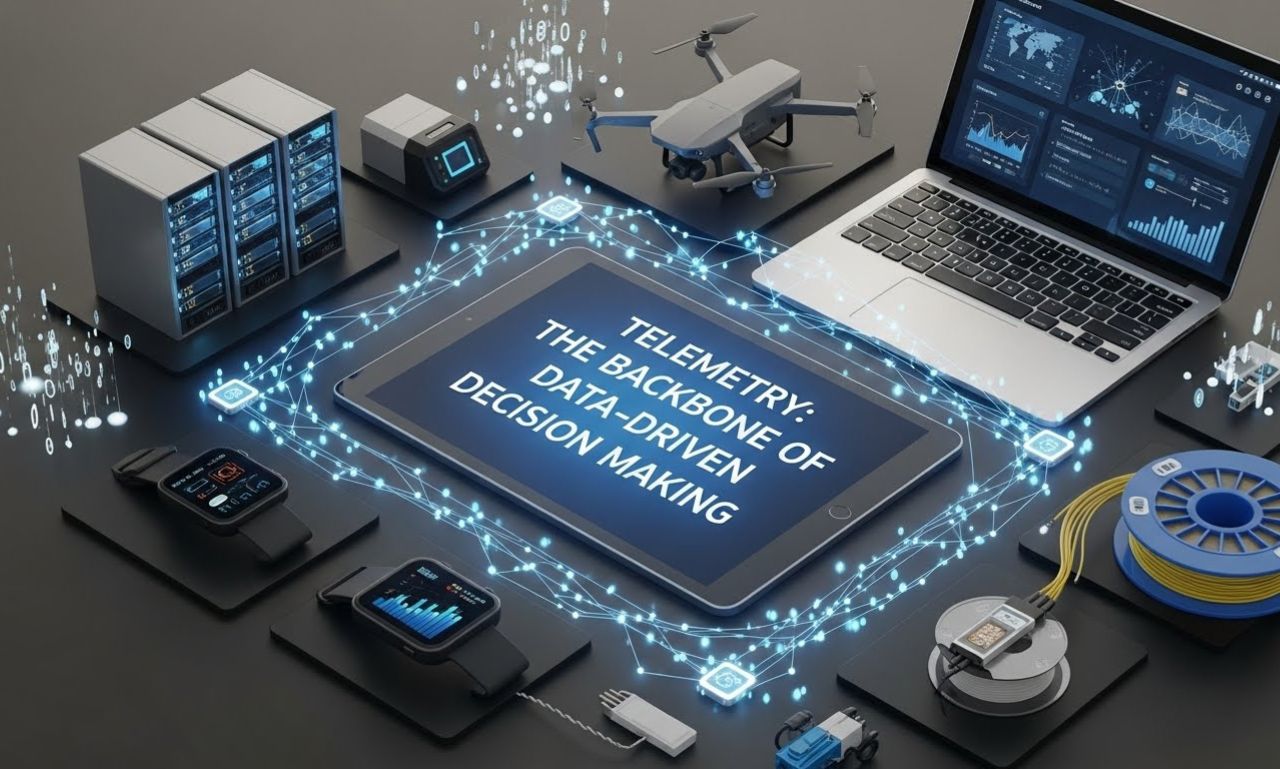
In a world driven by data, the ability to gather and analyze information is more critical than ever. Enter telemetry, a powerful tool that acts as the backbone of data-driven decision-making in various industries. From healthcare to aerospace, telemetry captures vital information from remote sources, enabling organizations to make informed choices quickly and effectively. But what exactly is telemetry? How does it work? And why should you care? Let’s dive into this fascinating field and explore how it shapes the way we understand our environments and improve our operations.
What is Telemetry?
Telemetry is the automated process of collecting and transmitting data from remote or inaccessible sources. It enables real-time monitoring and analysis, ensuring information reaches decision-makers swiftly. At its core, telemetry involves sensors that gather specific metrics. These could range from temperature readings to vehicle performance stats, depending on the application. The collected data is then sent to a central system for processing.
This technology has evolved significantly over time. Initially used in fields like space exploration and medicine, it now permeates everyday life through IoT devices and smart technologies. The beauty of tele-metry lies in its ability to bridge distances—allowing insights from one location to inform actions elsewhere without delay. This instant flow of information can drive improvements across various sectors by enhancing operational efficiency and effectiveness.
The Importance of Telemetry in Data-Driven Decision Making
Telemetry plays a crucial role in modern decision-making processes. At its core, it transforms raw data into actionable insights, thereby bridging the gap between information and strategy. As a result, organizations rely on telemetry to monitor performance metrics in real time. Moreover, this constant stream of data allows teams to respond quickly to changing conditions or emerging trends. Through precise measurements, businesses can identify inefficiencies and ultimately optimize operations more effectively. In addition, telemetry enhances predictive analytics, which in turn enables companies to forecast outcomes with greater accuracy.
In industries like healthcare and manufacturing, telemetry systems provide critical updates that influence operational decisions daily. This leads to improved safety protocols and enhanced product quality. Leveraging telemetry empowers organizations to make informed choices based on solid evidence rather than intuition alone. The result is a more agile approach that fosters growth and innovation in an increasingly competitive landscape.
How Telemetry Works
Tele-metry operates by collecting data from remote or inaccessible sources. This process begins with sensors that measure specific parameters, such as temperature, pressure, or speed. Once the data is gathered, it’s transmitted through various communication channels. These channels can include radio waves, satellite links, or even wired connections. The choice of medium often depends on the application and environment. After transmission, the collected data reaches a central system for analysis. Here, sophisticated algorithms and software help transform raw information into useful insights.
Real-time monitoring is a key feature of tele-metry systems. It allows organizations to respond swiftly to changes in conditions or performance metrics. Data integrity is crucial throughout this process. Advanced encryption methods ensure that the information remains secure during transmission and storage.
Types of Telemetry Systems
Telemetry systems come in various forms, each tailored to specific applications and industries. Remote telemetry is one of the most common types, enabling data collection over long distances. This system often relies on wireless communication methods. Another type is real-time telemetry. It continuously streams data for immediate analysis. Industries like healthcare use this to monitor patient vitals instantaneously. On the other hand, batch telemetry gathers data at scheduled intervals. This approach suits environments where continuous monitoring isn’t necessary but periodic insights are valuable.
In addition, there are integrated telemetry systems that combine sensors and software platforms for seamless operation across different devices and networks. These systems enhance interoperability and streamline processes significantly. Each type serves distinct purposes but shares a common goal: providing precise information for informed decision-making.
Advantages and Limitations of Telemetry
Telemetry offers a plethora of advantages that enhance operational efficiency and decision-making. It enables real-time data collection, allowing organizations to monitor systems instantly. This immediacy can lead to quicker responses during critical situations. Another key benefit is the ability to gather data from remote locations. Whether in healthcare, space exploration, or industrial settings, tele-metry bridges distances effectively. This can significantly reduce costs related to physical inspections and personnel deployment.
However, telemetry isn’t without its challenges. Data accuracy depends heavily on the quality of sensors and transmission methods used. If these components fail or degrade over time, it may compromise the integrity of collected information. Security also poses a significant limitation. As more devices connect for data-sharing purposes, vulnerable points increase for potential cyber threats. Organizations must invest in robust security measures to protect this valuable information from unauthorized access or breaches.
Real-World Applications
Telemetry finds its way into various industries, showcasing its versatility. In healthcare, for instance, it enables remote patient monitoring. Doctors can track vital signs in real-time, ensuring timely interventions without needing patients to be physically present. In the automotive sector, telemetry is crucial for vehicle diagnostics and performance optimization. Data collected from sensors provides insights into everything from engine health to fuel efficiency.
Telecom companies use telemetry to monitor network performance and troubleshoot issues proactively. This ensures better service quality for users while minimizing downtime. Even in agriculture, farmers rely on telemetry systems to gather data on soil moisture and crop health. Such information aids in making informed decisions about irrigation and fertilization. These applications illustrate how telemetry empowers sectors by enhancing operational efficiency and promoting data-driven strategies that lead to improved outcomes across various fields.
Future Outlook for Tele-metry Technology
The future of telemetry technology is poised for remarkable evolution. As industries continue to embrace the Internet of Things (IoT), telemetry systems will become even more integral. Real-time data collection and transmission will reach new heights, enhancing operational efficiency across sectors. Advancements in artificial intelligence and machine learning are set to transform how we interpret telemetry data. These technologies can uncover patterns that human analysis might miss, leading to smarter decision-making processes.
Moreover, with the rise of 5G networks, latency issues will diminish significantly. This means faster communication between devices and systems, paving the way for more sophisticated applications in healthcare, transportation, and beyond. As privacy concerns grow, developers must focus on robust security measures within telemetry frameworks. Balancing accessibility with protection will be crucial as organizations leverage this vital tool for success moving forward.
Conclusion
Telemetry has emerged as a crucial component in the modern landscape of data-driven decision-making. Its ability to collect, transmit, and analyze vast amounts of information allows organizations across various industries to make informed choices based on real-time data. As technology continues to evolve, tele-metry systems are becoming more sophisticated. They promise even greater accuracy and efficiency in capturing critical metrics. From healthcare to finance, the applications for telemetry are virtually limitless.
Understanding how tele-metry works empowers businesses to harness its potential fully. By leveraging this technology effectively, organizations can stay ahead of trends and improve their operations significantly. The future looks bright for telemetry technology. As we move towards an increasingly connected world, embracing these advancements will be essential for those looking to thrive in a competitive environment filled with opportunities driven by data insights.