 By admin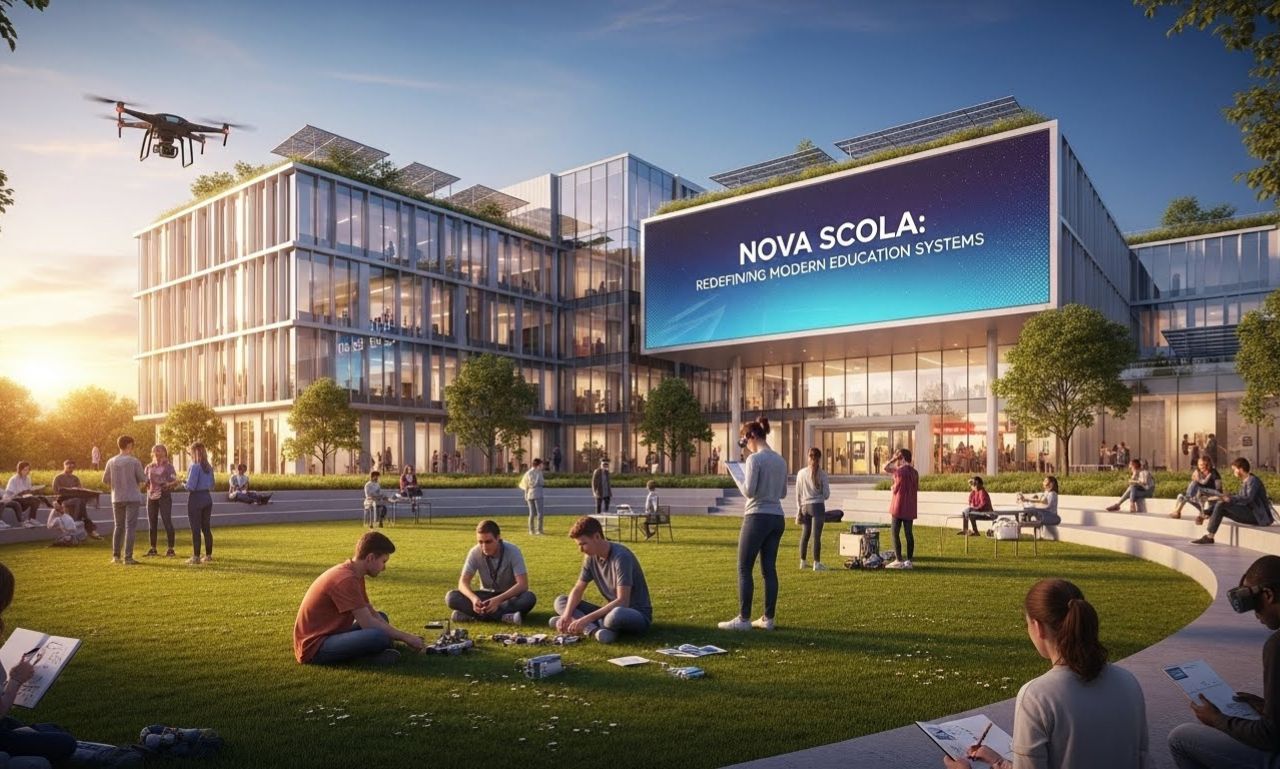
Education is undergoing a profound transformation across the globe. Traditional classroom-based learning, while still valuable, is no longer sufficient to meet the demands of a rapidly changing digital world. In this evolving landscape, Nova Scola emerges as a forward-thinking educational concept that emphasizes innovation, adaptability, and learner-centered growth. Designed to bridge the gap between conventional schooling and future skills, Nova Scola represents a fresh approach to teaching and learning.
This article explores the concept, philosophy, structure, benefits, and future potential of Nova Scola, highlighting why it is gaining attention in modern education discussions.
Understanding the Concept of Nova Scola
The term Nova Scola comes from Latin roots that mean “new school” and actively represents a progressive educational framework that reimagines how educators deliver, assess, and apply knowledge. Instead of focusing solely on memorization and standardized testing, this approach prioritizes critical thinking, creativity, and real-world problem-solving.
NovaScola is not limited to a single institution or country. Rather, it represents a broader philosophy that can be adapted by schools, learning centers, and digital education platforms worldwide. Its flexible nature allows it to respond effectively to cultural, technological, and economic changes.
The Core Philosophy Behind Nova Scola
At the heart of Nova Scola lies a student-first philosophy. Learning is seen as a lifelong journey rather than a rigid process confined to classrooms. This philosophy rests on several key principles:
Learner-Centered Education
Students are encouraged to take ownership of their learning. Personalized pathways allow individuals to progress at their own pace while exploring their interests and strengths.
Holistic Development
Education under Nova Scola extends beyond academics. Emotional intelligence, ethical values, communication skills, and mental well-being are considered equally important.
Adaptability and Innovation
The framework embraces change and innovation, ensuring that learning methods evolve alongside advancements in technology and society.
Nova Scola and the Role of Technology
Technology plays a crucial role in shaping Nova Scola’s learning environment. However, it is used as a tool to enhance education rather than replace human interaction.
Digital Learning Platforms of Nova Scola
Online tools, virtual classrooms, and learning management systems enable flexible access to educational resources. As a result, students can learn anytime and anywhere, making education more inclusive and accessible.
Artificial Intelligence and Personalization
Furthermore, Artificial Intelligence and Personalization play a vital role in enhancing learning experiences. Specifically, AI-driven analytics help educators understand individual learning patterns. Consequently, this allows for customized lesson plans, more targeted feedback, and significantly improved academic outcomes.
Blended Learning Models
Nova Scola supports a blend of in-person instruction and digital learning. This hybrid approach ensures that students benefit from both human mentorship and technological efficiency.
Curriculum Design in Nova Scola
One of the defining features of NovaScola is its dynamic and interdisciplinary curriculum. Instead of isolating subjects, learning areas are interconnected to reflect real-world scenarios.
Skill-Based Learning in Nova Scola
The curriculum emphasizes practical skills such as problem-solving, collaboration, digital literacy, and entrepreneurship. These skills prepare students for modern careers and evolving job markets.
Project-Oriented Approach
Students often work on projects that address real challenges. This hands-on method enhances understanding and encourages creativity and innovation.
Continuous Curriculum Updates in Nova Scola
Unlike traditional systems, the NovaScola curriculum is regularly updated to reflect new knowledge, technologies, and global trends.
Teaching Methods in Nova Scola
Teaching within the NovaScola framework shifts from instructor-led lectures to facilitation and mentorship.
Teachers as Mentors
Educators act as guides who support students in discovering knowledge rather than simply delivering information. This builds stronger teacher-student relationships.
Collaborative Learning
Group discussions, peer learning, and teamwork are integral components. Collaboration fosters communication skills and diverse perspectives.
Experiential Learning
Learning through experience, including simulations, workshops, and real-world exposure, helps students apply theoretical concepts effectively.
Assessment and Evaluation Models
Assessment in Nova Scola moves beyond traditional exams. Instead, it focuses on measuring understanding, progress, and skill development.
Formative Assessments
Ongoing evaluations provide continuous feedback, helping students improve throughout the learning process.
Portfolio-Based Evaluation
Students maintain portfolios showcasing their projects, achievements, and growth over time. This method highlights practical abilities and creativity.
Balanced Metrics
Academic performance is assessed alongside soft skills, participation, and innovation, offering a more comprehensive view of student development.
Benefits of Nova Scola for Students
The Nova Scola approach offers numerous advantages for learners in today’s fast-paced world.
Enhanced Engagement
Interactive and personalized learning keeps students motivated and curious.
Future-Ready Skills
By focusing on adaptability and critical thinking, students are better prepared for emerging careers and industries.
Confidence and Independence
Learners develop self-confidence as they actively participate in shaping their educational journey.
Impact of Nova Scola on Educators
Teachers also benefit significantly from the NovaScola model.
Professional Growth
Educators continuously update their skills, staying aligned with modern teaching practices.
Creative Freedom
Teachers are encouraged to innovate in lesson planning and instructional methods.
Improved Student Relationships
Smaller groups and mentorship-based teaching foster stronger connections with students.
Nova Scola in a Global Context
Education systems worldwide are facing similar challenges, including skill gaps, digital transformation, and access to quality learning. NovaScola provides a scalable and adaptable solution.
Inclusivity and Accessibility
Digital tools and flexible learning models make education accessible to diverse populations, including remote and underserved communities.
Cultural Adaptability
The framework can be customized to align with local cultures, values, and educational goals.
Global Collaboration
Students can collaborate across borders through virtual exchanges, promoting global awareness and cultural understanding.
Challenges in Implementing Nova Scola
Despite its many advantages, implementing Nova Scola is not without challenges.
Infrastructure Requirements
Access to reliable technology and internet connectivity is essential for successful implementation.
Teacher Training
Educators must be trained to adopt new teaching methods and digital tools effectively.
Resistance to Change
Transitioning from traditional systems may face resistance from institutions and stakeholders accustomed to conventional approaches.
Addressing these challenges requires strategic planning, investment, and strong leadership.
The Future Potential of Nova Scola
As education continues to evolve, the relevance of NovaScola is expected to grow. Its emphasis on flexibility, innovation, and holistic development aligns closely with future societal needs.
In the coming years, educators and policymakers may use this model to influence policy reforms, inspire new educational institutions, and shape how learning is delivered globally. By fostering adaptable and empowered learners, Nova Scola has the potential to redefine education for generations to come.
Conclusion
NovaScola represents more than just a new educational trend—it is a comprehensive vision for modern learning. By integrating technology, personalized instruction, and real-world skills, it effectively addresses the limitations of traditional education systems. As a result, students become active participants in their own growth, teachers gradually evolve into mentors, and learning ultimately becomes a dynamic, lifelong process.
Moreover, as the world continues to change, educational models like NovaScola offer a promising pathway toward a more inclusive, innovative, and future-ready education system.