
 By admin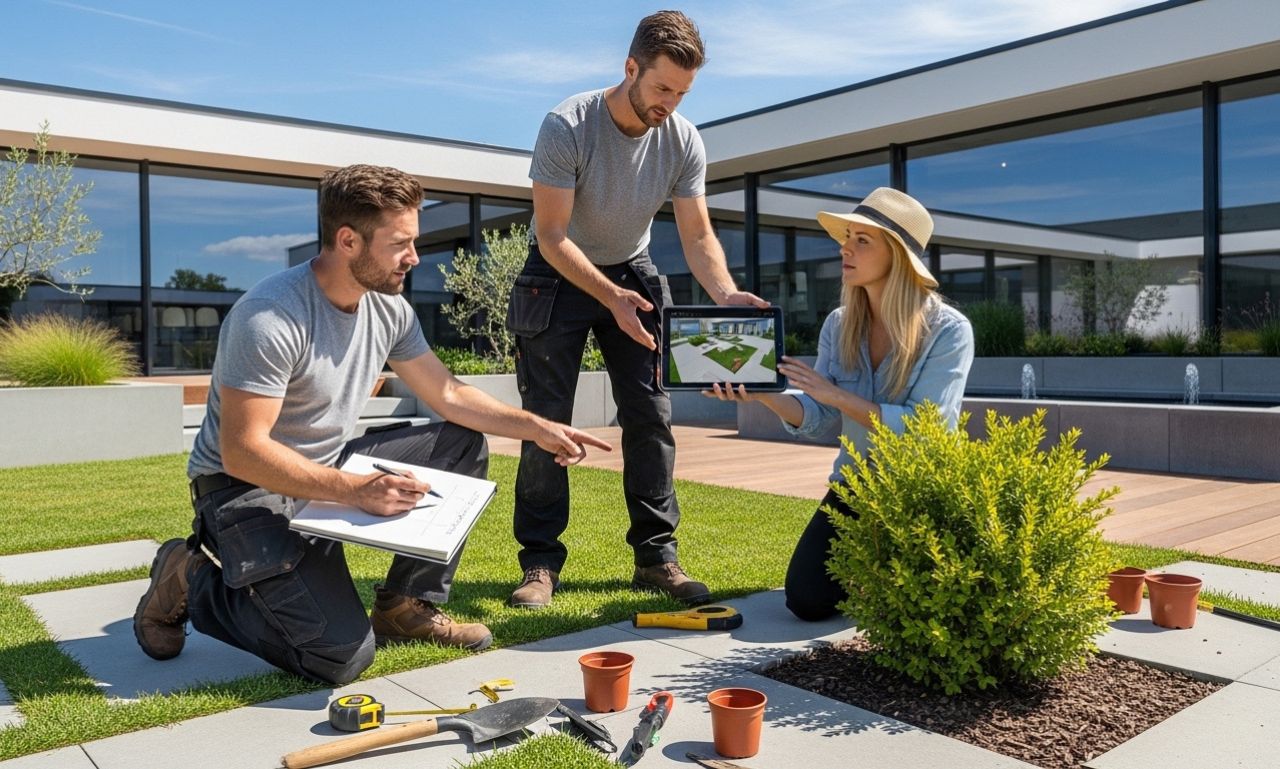
Outdoor environments are no longer treated as secondary spaces. Today, they are carefully crafted extensions of homes, offices, and public buildings. At the heart of this transformation are Landscapers, skilled professionals who combine creativity, environmental knowledge, and technical expertise to design and maintain appealing outdoor spaces.
From residential gardens to commercial landscapes, these experts play a vital role in shaping surroundings that are both functional and visually impressive. Moreover, as sustainability becomes increasingly important, their responsibilities continue to evolve. This article explores who they are, what they do, and why their work matters in the modern world.
Who Are Landscapers?
Landscapers are professionals who plan, design, construct, and maintain outdoor areas. Their work may include planting trees, installing irrigation systems, laying turf, building patios, and designing garden layouts. However, their expertise extends beyond basic gardening.
In fact, many professionals in this field possess formal training in horticulture, environmental science, or landscape design. They understand soil conditions, plant species, climate compatibility, and drainage systems. As a result, they can create outdoor spaces that are not only attractive but also long-lasting and environmentally responsible.
Additionally, they often collaborate with architects, engineers, and property owners to ensure that the outdoor environment complements the overall structure.
The Expanding Role of Landscapers in 2026
Over the years, the role of Landscapers has significantly expanded. Traditionally, their work focused mainly on lawn care and planting. Today, however, they are involved in comprehensive outdoor planning that integrates sustainability, technology, and lifestyle design.
For example, modern projects may include outdoor kitchens, fire pits, smart lighting systems, and eco-friendly drainage solutions. Furthermore, climate change has encouraged professionals to adopt drought-resistant plants and water-efficient irrigation methods.
Consequently, these experts now contribute to environmental conservation while enhancing property value. Their work reflects both artistic vision and scientific understanding.
Key Services Offered by Landscapers
1. Landscape Design and Planning
One of the most important services provided by Landscapers is design planning. This process begins with assessing the property’s size, soil quality, sunlight exposure, and drainage patterns.
After evaluation, they develop a customized design plan that may include lawns, flower beds, walkways, and water features. Importantly, this stage ensures that the final outcome aligns with the client’s preferences and budget.
2. Hardscaping and Structural Features
In addition to plants and greenery, outdoor spaces often include structural elements such as patios, decks, retaining walls, and pathways. These features are known as hardscapes.
Professionals carefully select materials like stone, brick, or concrete to match the aesthetic of the property. As a result, the space achieves both durability and visual harmony.
3. Plant Installation and Garden Creation
Plant selection is a science in itself. Landscapers consider climate conditions, seasonal changes, and maintenance requirements before choosing specific plants.
They often incorporate native species because these plants adapt better to local weather and require less water. Consequently, this approach reduces long-term maintenance costs and environmental impact.
4. Irrigation and Drainage Solutions
Proper water management is essential for healthy landscapes. Therefore, these experts design irrigation systems that distribute water efficiently.
Modern systems may include smart controllers that adjust watering schedules based on weather forecasts. Additionally, effective drainage systems prevent flooding and soil erosion.
5. Maintenance and Seasonal Care
Regular maintenance ensures that outdoor spaces remain attractive throughout the year. Services may include mowing, pruning, fertilizing, and pest control.
Furthermore, seasonal adjustments such as winter preparation or summer irrigation checks help maintain plant health and structural stability.
Sustainable Practices in Landscaping
Sustainability has become a central focus in the landscaping industry. Today’s Landscapers prioritize eco-friendly methods that conserve resources and protect biodiversity.
For instance, xeriscaping is gaining popularity in regions with limited rainfall. This technique involves designing landscapes that require minimal water. Additionally, composting and organic fertilizers reduce chemical usage.
Solar-powered lighting is another modern innovation. By using renewable energy sources, professionals lower electricity consumption while maintaining outdoor illumination.
Moreover, rainwater harvesting systems are increasingly integrated into landscape designs. These systems collect and store rainwater for irrigation purposes, significantly reducing water waste.
Technology Transforming Landscapers’ Work
Technology has revolutionized how Landscapers operate. Digital design software now allows them to create detailed 3D models of proposed projects. Clients can visualize the final result before construction begins.
Drones are also used for site analysis, especially in large commercial projects. They provide accurate measurements and identify terrain challenges quickly.
In addition, smart irrigation systems equipped with weather sensors optimize water usage automatically. As a result, efficiency improves while operational costs decrease.
Residential vs. Commercial Landscaping
Although both sectors share similarities, residential and commercial landscaping differ in scope and complexity.
Residential projects often focus on personal comfort and aesthetic appeal. Homeowners may request garden retreats, outdoor dining areas, or child-friendly lawns.
On the other hand, commercial landscaping typically emphasizes brand image and functionality. For example, hotels, office buildings, and shopping centers require welcoming entrances and well-maintained green spaces to attract visitors.
Therefore, Landscapers working in commercial settings must consider high foot traffic, safety regulations, and large-scale maintenance.
Benefits of Hiring Professional Landscapers
Hiring professionals offers numerous advantages. First and foremost, they save time and effort. Designing and maintaining outdoor areas can be physically demanding and technically complex.
Secondly, they increase property value. Well-designed landscapes enhance curb appeal and may significantly boost resale potential.
Furthermore, professionals ensure proper plant selection and installation, reducing the risk of costly mistakes. They also provide long-term maintenance plans that protect the investment.
Lastly, expertly designed green spaces improve mental well-being. Studies consistently show that access to nature reduces stress and enhances mood. Thus, investing in professional landscaping contributes to a healthier lifestyle.
Career Opportunities for Landscapers
The landscaping industry continues to grow worldwide. Urban expansion, environmental awareness, and real estate development contribute to rising demand.
Individuals entering this field can pursue roles such as landscape designer, horticulturist, irrigation specialist, or project manager. Some professionals even start their own landscaping businesses.
Training programs and certifications in horticulture and environmental management enhance career prospects. Moreover, practical experience remains highly valuable in this hands-on profession.
Challenges Faced by Landscapers
Despite its many rewards, landscaping also presents challenges. Weather conditions can delay projects or damage plants. Additionally, fluctuating material costs may impact budgets.
Environmental concerns require constant adaptation. Professionals must stay informed about sustainable techniques and climate-resistant plant varieties.
Labor-intensive tasks and physical demands also make this career challenging. Nevertheless, innovation and proper planning help overcome these obstacles.
Trends Shaping the Future of Landscapers
Several trends are shaping the future of Landscapers in 2026 and beyond.
-
Outdoor Living Spaces: Homeowners increasingly seek fully functional outdoor rooms.
-
Edible Gardens: Growing fruits and vegetables at home is becoming popular.
-
Minimalist Designs: Clean lines and low-maintenance plants dominate modern styles.
-
Biodiversity Support: Pollinator-friendly gardens support bees and butterflies.
-
Smart Automation: Technology-driven maintenance systems enhance efficiency.
As these trends continue, professionals must combine creativity with technical expertise to meet evolving expectations.
Choosing the Right Landscapers
Selecting the right professional requires careful consideration. First, review portfolios and previous projects. This provides insight into design style and quality of work.
Next, verify licenses and certifications to ensure credibility. Clear communication is equally important, as it helps align expectations and budget constraints.
Additionally, request a detailed proposal outlining costs, timelines, and maintenance plans. Transparency prevents misunderstandings and ensures smooth project execution.
Conclusion
Landscapers are far more than gardeners. They are designers, environmental stewards, and technical specialists who transform ordinary spaces into vibrant outdoor environments.
Through sustainable practices, advanced technology, and creative planning, they enhance both residential and commercial properties. As demand for green, functional spaces continues to grow, their role will remain essential in shaping modern living environments.
Ultimately, investing in professional landscaping not only improves property value but also promotes environmental responsibility and personal well-being.