
 By admin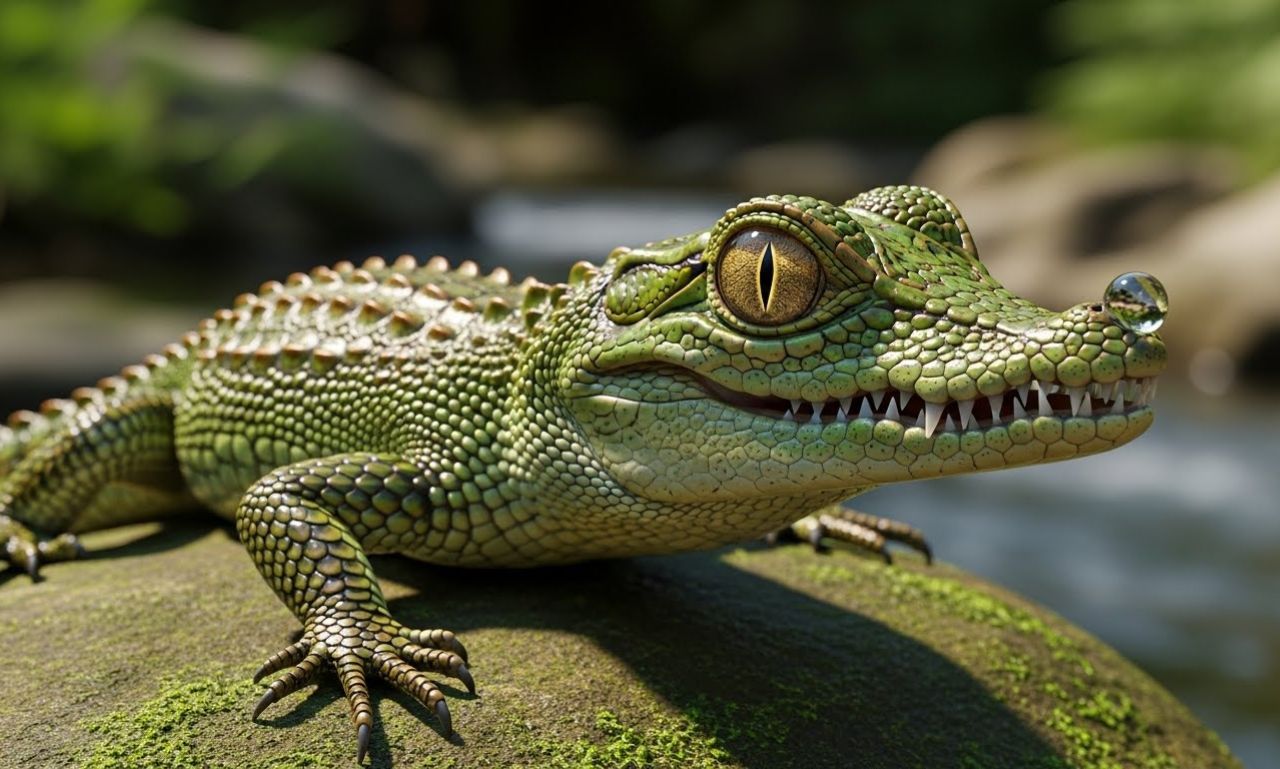
Introduction to Crocolini
Imagine a world where giant reptiles reign supreme, yet hidden among them lies a creature so small and charming that it seems almost otherworldly. Welcome to the fascinating realm of crocolini—nature’s miniature crocodiles. These pint-sized predators are often overlooked in favor of their larger relatives, but they possess unique traits that make them truly captivating. From their remarkable adaptations to their intriguing behaviors, crocolini offer insights into the delicate balance of ecosystems and evolution. Join us as we dive deep into this enchanting species and uncover what makes these tiny titans worth celebrating!
Evolution and Habitat of Crocolini
Crocolini, often referred to as nature’s miniature crocodiles, have a fascinating evolutionary history. These small reptiles are believed to have diverged from their larger relatives millions of years ago. Adaptations for survival in specific environments set them apart. Typically found in freshwater habitats like swamps and mangroves, crocolini thrive in tropical regions. Their preferred locations provide both shelter and abundant food sources. The dense vegetation offers protection against predators while also serving as hunting grounds.
Their evolution is a testament to resilience and adaptability. Crocolini showcase how life can flourish even on the smaller scale, demonstrating unique adaptations that allow them to coexist within fragile ecosystems. Each species has its own niche role that contributes significantly to biodiversity.
Physical Characteristics and Adaptations
Crocolini are captivating creatures, often mistaken for their larger relatives. Their small stature sets them apart, usually measuring just a few feet in length. With streamlined bodies and agile limbs, they navigate through swamps and wetlands effortlessly. Their skin is a beautiful mosaic of greens and browns, perfect for camouflage among reeds and foliage. This protective coloration helps them avoid predators while lying in wait for prey.
Adaptations extend to their eyes as well. Positioned on top of their heads, these allow Crocolini to see above the water’s surface while keeping most of their body submerged. In addition to keen eyesight, they possess powerful jaws filled with sharp teeth designed for gripping slippery fish or crustaceans. These adaptations make them efficient hunters despite their size. The combination of agility and stealth makes Crocolini fascinating examples of evolution’s creativity in adapting to specific ecological niches.
Diet and Hunting Habits
Crocolini are skilled hunters, employing a stealthy approach to capture their prey. These miniature crocodiles primarily feast on small fish, crustaceans, and insects. Their sharp teeth and powerful jaws allow them to grip slippery victims effectively. Using their excellent camouflage skills, crocolini remain almost invisible in their natural environments. They often lurk just beneath the water’s surface, waiting patiently for the perfect moment to strike. This ambush tactic is crucial for conserving energy while maximizing hunting success.
Their diet can vary depending on habitat availability. In some regions, they may supplement their meals with amphibians or even small mammals if the opportunity arises. The adaptability of crocolini demonstrates how these tiny reptiles thrive in diverse ecosystems around the world. In addition to hunting solo, juvenile crocolini sometimes hunt together in groups when targeting larger prey items. This social behavior adds an interesting dynamic to their feeding strategy.
Reproduction and Life Cycle
Crocolini, the charming miniature crocodiles, have a unique approach to reproduction. Mating typically occurs during the warmer months when conditions are just right for their young. Females lay clutches of eggs in sandy nests or hidden areas near water sources. This strategic choice provides protection from predators and environmental threats. Incubation lasts about 60 to 70 days. The warmth of the sun is crucial during this period, helping regulate temperature for optimal development.
Once hatched, baby crocolini emerge with an instinctual drive to enter water safely. They’re small but savvy from day one, quickly learning how to navigate their environment while avoiding larger predators. As they grow, they undergo several stages of development that help them adapt to their aquatic life. Juvenile crocolini spend time in shallower waters before venturing into deeper territories as they mature.
Fascinating Facts about Crocolini
Crocolini are truly remarkable creatures that often surprise even the most seasoned wildlife enthusiasts. These miniature crocodiles, measuring only a few feet in length, have adapted brilliantly to their environments. One intriguing fact is their ability to camouflage seamlessly with their surroundings. Their scales can blend into the murky waters and dense vegetation of wetlands, making them nearly invisible to both predators and prey.
Another fascinating detail is their unique social behavior. Unlike larger crocodile species, crocolini are known for forming small groups. This social dynamic aids in hunting strategies and provides protection against larger threats. Their vocalizations also set them apart; they communicate through a series of grunts and hisses rather than the more dominant roars typical of larger crocs. These little reptiles exhibit a surprising level of intelligence as well, showcasing problem-solving skills when it comes to finding food or evading danger.
How to Spot a Crocolini in the Wild
Spotting a crocolini in the wild requires patience and keen observation. These tiny crocodiles prefer shallow waters, often lurking near mangroves or swampy areas. Look for them basking on sunlit banks or floating quietly among reeds. Their small size makes them less intimidating than their larger relatives, but they can blend seamlessly with their surroundings. Focus on listening too. The gentle rustling of leaves might hint at a nearby crocolini moving stealthily through its habitat.
Early morning or late afternoon is prime time for sightings, as they are most active during these hours. Keep your distance to avoid startling them; they’re skittish by nature. Bring along binoculars for a better view without intruding on their space. With some luck and diligence, you may catch a glimpse of these fascinating creatures in action amidst the natural beauty surrounding them.
Conclusion: Why You Should Appreciate These Miniature Crocodiles
Understanding crocolini offers a unique glimpse into the diversity of our planet’s wildlife. These miniature crocodiles, often overlooked, are fascinating creatures that play vital roles in their ecosystems. Their evolutionary journey showcases how adaptability can create new niches and opportunities for survival. Appreciating crocolini means recognizing their importance not just in nature but also as indicators of environmental health. As we learn more about these remarkable reptiles, we gain insights into the delicate balance of aquatic ecosystems and the threats they face due to human activity.
Whether you’re an avid nature enthusiast or simply curious about wildlife, exploring the world of crocolini can deepen your appreciation for biodiversity. These small yet captivating creatures remind us of nature’s wonders and the need to protect them for future generations. Embrace curiosity and perhaps venture out on your next outdoor adventure with an eye out for these intriguing miniatures; who knows what surprises await Human interactions with crocolini often reflect a mix of curiosity and caution. These remarkable creatures, much smaller than their larger relatives, have captured the imagination of many.