
 By admin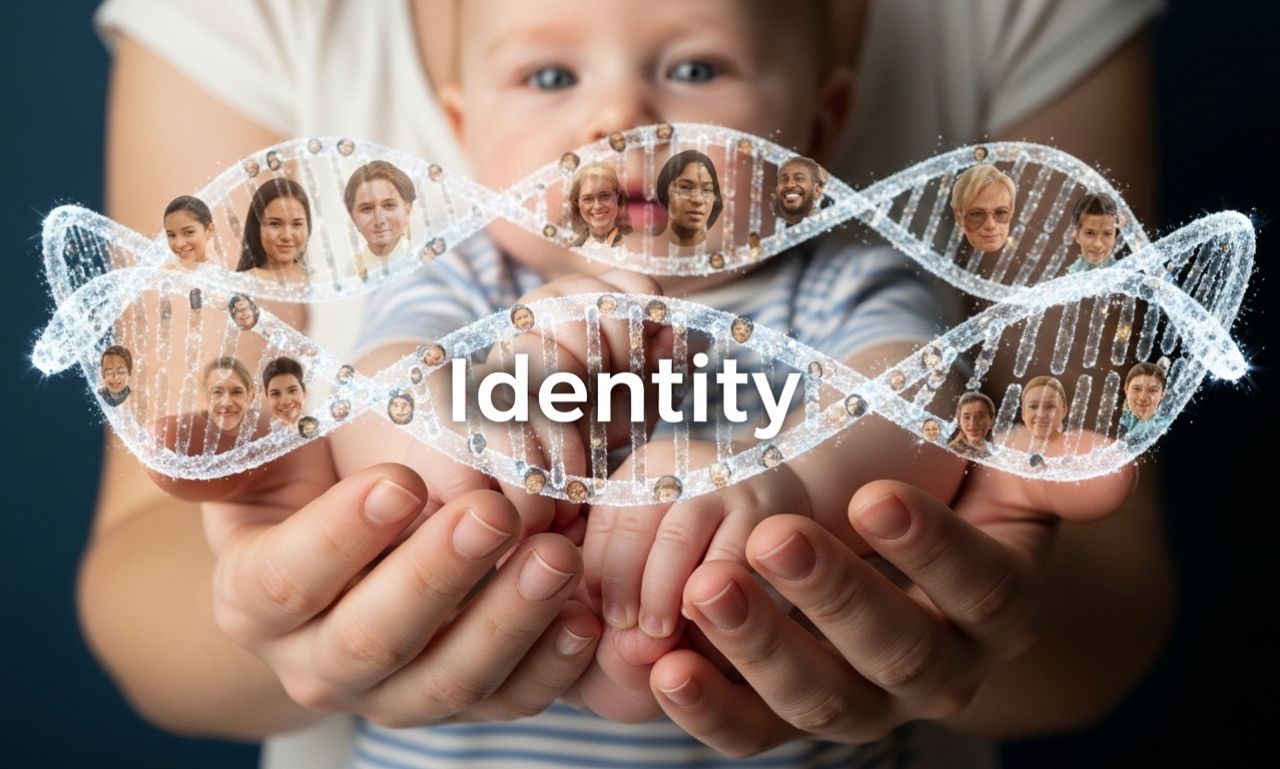
A birthplace is more than a geographical location. It represents the physical setting where a person’s life begins, marking the first chapter of their journey. While it may seem like a simple fact on a birth certificate, it carries emotional, cultural, and historical meaning. In many societies, a birthplace influences how individuals view themselves and how others perceive them.
Throughout history, people have proudly associated themselves with their origins. From small villages to major cities, the place of birth often shapes traditions, language, and early experiences. Even for those who move away at a young age, the memory or symbolic value of their origin remains significant.
In today’s globalized world, where migration and multicultural identities are common, the meaning of birthplace has evolved. It is no longer just about geography; it also connects to heritage, belonging, and shared history.
Birthplace and Personal Identity
A birthplace plays a vital role in forming personal identity. Early childhood surroundings influence accent, cultural practices, food preferences, and even worldview. The social environment, climate, and community traditions all leave lasting impressions.
For example, someone born in a coastal town may develop a deep connection to the sea, while a person born in a mountainous region might feel attached to nature and outdoor life. These early influences can shape hobbies, career paths, and emotional ties.
Psychologically, knowing one’s origin creates a sense of stability. It answers the question, “Where do I come from?” This understanding contributes to self-awareness and confidence. Even adopted individuals or those who relocate often feel a natural curiosity about their original place of birth.
Moreover, birthplace can influence language development. Regional dialects and expressions learned in early childhood often remain with a person for life. This linguistic identity can foster a sense of belonging within a community.
Cultural Significance of Birthplace
Across cultures, the concept of birthplace carries symbolic meaning. Many communities celebrate local heroes by honoring the towns or cities where they were born. These places often become sites of cultural pride and tourism.
For instance, the birthplace of William Shakespeare in Stratford-upon-Avon attracts visitors from around the world. Similarly, the birthplace of Albert Einstein in Ulm, Germany, is marked as a historical location.
These examples show how a birthplace can become part of national heritage. Governments and local authorities often preserve such sites as museums or monuments. They serve as reminders of how one individual’s life can influence the world.
In addition, many cultures have traditions tied specifically to the location of birth. Some communities believe that spiritual connections are formed with the land where a person is born. Festivals, rituals, and family gatherings often honor this bond.
Legal Importance of Birthplace
Beyond emotional and cultural value, birthplace has legal significance. It is recorded on official documents such as birth certificates, passports, and national identity cards. In many countries, the place of birth can influence citizenship status.
There are two main legal principles related to nationality: jus soli (right of the soil) and jus sanguinis (right of blood). Under jus soli, citizenship is granted based on being born within a country’s territory. Under jus sanguinis, citizenship is determined by parental nationality, regardless of birthplace.
Countries like the United States follow the jus soli principle, meaning that most individuals born there automatically receive citizenship. In contrast, other nations may require parental citizenship for nationality rights.
Therefore, birthplace can directly impact access to education, healthcare, voting rights, and employment opportunities. It may also affect travel freedom and legal protections.
Emotional Attachment to Birthplace
Even if someone moves away shortly after birth, the idea of returning to their birthplace often holds emotional power. Family stories, photographs, and childhood memories strengthen this connection.
Revisiting one’s place of origin can evoke nostalgia and reflection. People often describe a sense of comfort when they walk through streets or landscapes tied to their early years. This emotional bond can remain strong, even after decades of living elsewhere.
In literature and film, characters frequently return to their birthplace to rediscover themselves or reconnect with family roots. The setting becomes a symbol of beginnings and authenticity.
Furthermore, the sense of pride associated with one’s birthplace can influence how people introduce themselves. They may highlight their hometown in conversations, resumes, or social media profiles.
Birthplace in the Digital Age
Modern technology has changed how people relate to their birthplace. Social media platforms allow individuals to display their origin publicly. Digital maps and genealogy websites make it easier to explore family history and ancestral towns.
Online communities often form around shared origins. For example, people born in the same city but living abroad may connect through virtual groups. This strengthens cultural identity despite physical distance.
Additionally, digital archives and historical records have made it simpler to trace family roots. Many individuals are now exploring not just their birthplace, but also the birthplaces of parents and grandparents.
As a result, birthplace has become part of digital identity. It appears in online biographies, networking platforms, and personal branding efforts.
Famous Birthplaces Around the World
Certain cities are widely recognized because of the influential individuals born there. For instance, Salzburg is known as the birthplace of Wolfgang Amadeus Mozart. This association has boosted tourism and cultural appreciation.
Similarly, Porbandar is celebrated as the birthplace of Mahatma Gandhi. Visitors travel there to understand the early life of the leader who shaped India’s history.
These locations illustrate how a birthplace can influence a region’s identity. Local economies often benefit from historical recognition and educational tourism.
In some cases, birthplaces become UNESCO heritage sites or protected landmarks. They preserve architectural styles and historical artifacts connected to important figures.
Changing Perspectives on Birthplace
Global migration has transformed traditional views on birthplace. Many individuals are now born in countries different from their parents’ homeland. As a result, identity becomes layered and multicultural.
A person may feel emotionally connected to their birthplace while also identifying strongly with ancestral roots. For example, someone born in Canada to Pakistani parents may celebrate both Canadian and Pakistani traditions.
This blending of identities reflects the evolving meaning of origin. Birthplace remains significant, but it is no longer the sole determinant of cultural belonging.
Additionally, advancements in medical travel have created situations where children are born abroad temporarily. In such cases, the birthplace may not reflect long-term residence or cultural upbringing.
The Symbolic Power of Birthplace
Symbolically, birthplace represents beginnings. It marks the moment when a new life enters the world. This symbolism appears in poetry, songs, and storytelling.
Artists often reference their place of birth as a source of inspiration. Landscapes, architecture, and local customs influence creative expression. Musicians, writers, and painters may draw from childhood surroundings in their work.
Moreover, birthplace can shape public perception. People sometimes associate certain traits with individuals from specific regions. While stereotypes can be misleading, regional pride often fosters community spirit.
In political contexts, leaders may highlight their humble birthplaces to connect with citizens. Sharing stories about modest origins can create relatability and trust.
Preserving Birthplace Heritage
Communities around the world invest in preserving significant birthplaces. Historical homes are restored, plaques are installed, and guided tours are organized. These efforts ensure that future generations understand local history.
Educational institutions also play a role by teaching students about notable individuals from their region. This fosters pride and encourages young people to pursue their ambitions.
Urban development, however, sometimes threatens historical sites. Balancing modernization with preservation is essential. Governments and cultural organizations collaborate to protect meaningful locations.
In rural areas, preserving a birthplace can revitalize tourism and create economic opportunities. Visitors seeking authentic experiences often explore small towns connected to famous personalities.
Birth place and Family Legacy
Within families, birthplace stories are passed down through generations. Grandparents often describe their hometowns, traditions, and early memories. These narratives strengthen family bonds.
Family reunions sometimes take place in ancestral towns. Visiting these places helps younger generations visualize their roots. It transforms abstract history into tangible experience.
Genealogy research has grown in popularity, allowing people to trace lineage and discover original birthplaces of ancestors. This exploration deepens appreciation for heritage and resilience.
Furthermore, migration stories highlight courage and adaptability. Understanding where one’s family began fosters gratitude and perspective.
Conclusion
In conclusion, a birthplace is far more than a point on a map. It shapes identity, influences culture, and carries legal importance. From emotional attachment to historical preservation, its impact extends across personal and societal dimensions.
As the world becomes increasingly interconnected, the meaning of birthplace continues to evolve. Yet, despite globalization and migration, the idea of origin remains powerful. It anchors individuals to their beginnings while allowing them to grow beyond borders.
Ultimately, birthplace represents the start of every human story. Whether remembered through family tales, historical landmarks, or official documents, it continues to define connections between people and places for generations to come.