
 By admin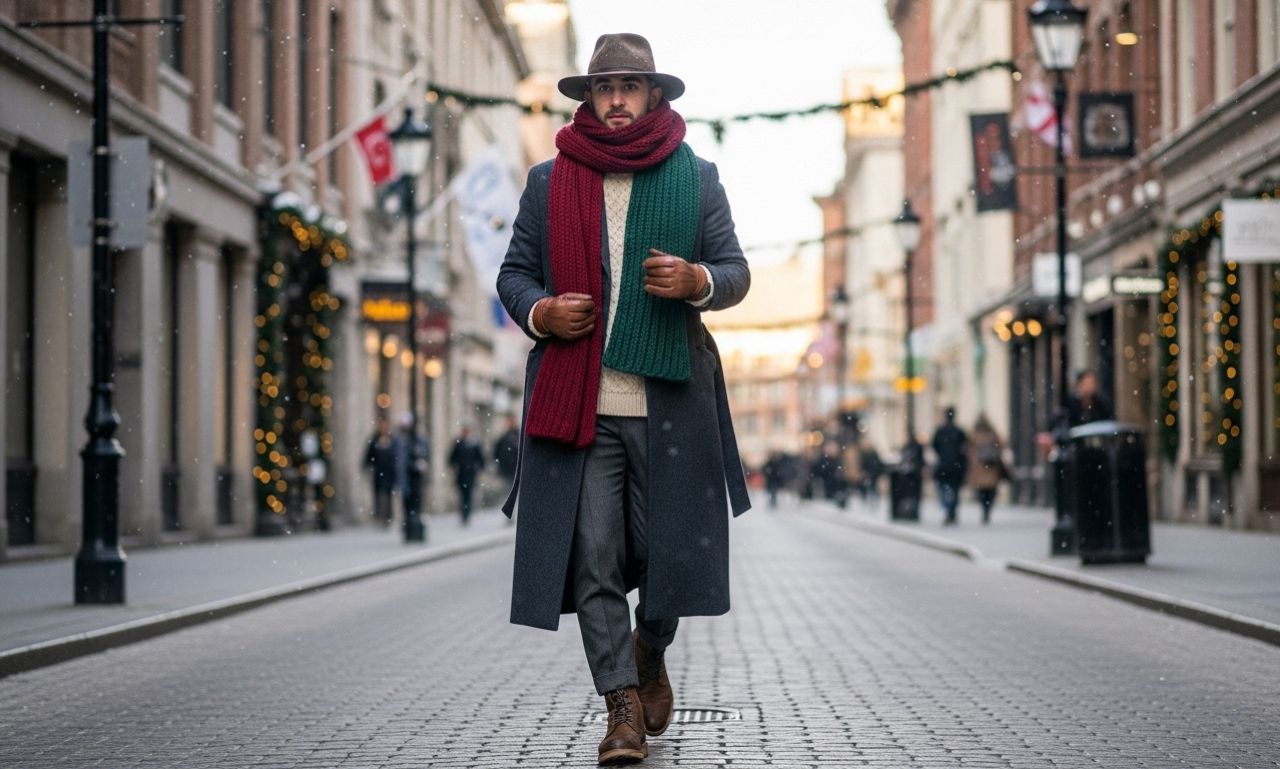
Cold-weather fashion is more than simply wearing thicker clothes. It is a thoughtful balance between warmth, comfort, and personal style. As temperatures drop, wardrobes shift toward layers, textured fabrics, and functional accessories that not only protect against the cold but also enhance overall appearance. Over the years, cold-weather fashion has evolved into a creative space where classic designs blend seamlessly with modern trends.
In today’s world, people expect winter outfits to perform well in harsh conditions while still reflecting individuality. From cozy knits to tailored outerwear, cold-weather fashion offers endless possibilities for self-expression without compromising practicality.
Understanding the Essence of Cold-Weather Fashion
Cold-weather fashion focuses on protecting the body from low temperatures, wind, and sometimes moisture, while maintaining a polished look. Unlike warm-season clothing, winter wear relies heavily on structure, insulation, and layering techniques. Each piece plays a specific role, whether it is trapping heat, blocking wind, or adding aesthetic appeal.
Historically, cold-weather clothing was designed purely for survival. Heavy wool coats, fur linings, and sturdy boots were essential. Today, technological advancements and innovative materials have transformed these essentials into stylish staples suitable for urban life, travel, and outdoor activities.
Key Principles of Cold-Weather Fashion
To build a functional and stylish winter wardrobe, it is important to understand a few guiding principles. These fundamentals help ensure comfort while allowing flexibility in styling.
Layering as a Foundation
Layering is the cornerstone of cold-weather fashion. Instead of relying on a single bulky garment, layering allows you to regulate body temperature by adding or removing pieces as needed. A typical layering system includes:
-
Base layers that sit close to the skin and retain warmth
-
Mid-layers that provide insulation
-
Outer layers that protect against wind and rain
This approach not only improves comfort but also adds visual depth to an outfit.
Fabric Selection Matters
The choice of fabric significantly impacts how well clothing performs in cold conditions. Natural fibers such as wool and cashmere are prized for their insulating properties, while modern synthetics offer lightweight warmth and moisture control. Mixing textures also adds sophistication, making outfits look intentional rather than purely functional.
Cold-Weather Fashion Essentials for Everyday Wear
A strong winter wardrobe is built on versatile essentials that can be styled in multiple ways. These pieces form the backbone of cold-weather fashion and remain relevant year after year.
Outerwear That Defines the Look
Outerwear is often the most visible element of a winter outfit. Coats and jackets set the tone and can instantly elevate even the simplest ensemble. Popular options include structured wool coats, insulated parkas, and quilted jackets. Neutral colors such as black, navy, camel, and gray offer timeless appeal, while bold hues can make a striking statement.
Knitwear for Warmth and Texture
Sweaters, cardigans, and turtlenecks are indispensable during colder months. Knitwear adds warmth while introducing texture and dimension. Oversized knits create a relaxed aesthetic, whereas fitted styles work well for a more refined appearance. Layering knitwear over shirts or under coats enhances both comfort and style.
Bottom Wear Built for Cold Conditions
Cold weather fashion also extends to trousers and skirts designed for warmth. Wool trousers, corduroy pants, and lined leggings provide insulation without sacrificing mobility. For those who prefer skirts, pairing them with thermal tights or knee-high boots ensures both elegance and comfort.
Cold-Weather Fashion Accessories That Make a Difference
Accessories play a crucial role in winter styling. They serve a functional purpose while offering an opportunity to personalize outfits.
Scarves, Hats, and Gloves
Scarves add warmth around the neck and can introduce color or pattern. Wool, cashmere, and blended fabrics are ideal choices. Hats such as beanies, berets, and structured caps help retain body heat, while gloves protect hands from cold air. Coordinating these accessories creates a cohesive look.
Footwear Designed for Winter
Shoes are an essential part of cold-weather fashion. Boots, in particular, dominate winter wardrobes. Ankle boots, knee-high styles, and insulated options provide warmth and stability. Materials like leather and suede, when properly treated, offer durability and a polished appearance.
Cold-Weather Fashion for Different Lifestyles
Winter clothing needs vary depending on lifestyle and daily activities. Understanding these differences helps in choosing the right pieces.
Urban and Professional Settings
In cities and professional environments, cold-weather fashion often leans toward tailored silhouettes and classic designs. Structured coats, clean lines, and minimal accessories create a sophisticated look suitable for work and social events. Layering remains subtle, focusing on sleek profiles rather than bulk.
Casual and Outdoor Living
For casual wear or outdoor activities, comfort and durability take priority. Insulated jackets, thermal layers, and weather-resistant footwear are essential. However, modern designs ensure that even practical pieces maintain a stylish edge, allowing wearers to transition easily between activities.
Sustainable Choices in Cold-Weather Fashion
Sustainability has become an important consideration in fashion, including winter wear. Consumers are increasingly mindful of how their clothing is produced and its environmental impact.
Investing in Quality Over Quantity
High-quality cold-weather garments often last longer, reducing the need for frequent replacements. Timeless designs and durable fabrics ensure that pieces remain stylish across multiple seasons.
Eco-Friendly Materials and Practices
Many brands now incorporate recycled materials, responsibly sourced wool, and ethical manufacturing processes. Choosing such options supports sustainability while maintaining performance and style.
Styling Tips to Elevate Cold-Weather Fashion
Even the most practical winter clothing can look fashionable with the right styling approach. Simple adjustments can make a significant difference.
Playing With Proportions
Balancing proportions is key in winter outfits. Pairing a bulky coat with slim trousers or combining oversized knitwear with fitted bottoms creates visual harmony.
Using Color Strategically
While neutral tones dominate cold-weather fashion, adding subtle pops of color through accessories or layering can brighten outfits. Earthy shades, deep blues, and rich burgundies complement winter palettes beautifully.
Cold-Weather Fashion Trends Shaping the Present
Current trends reflect a blend of comfort, nostalgia, and innovation. Relaxed silhouettes, textured fabrics, and versatile layering pieces are especially popular. There is also a renewed appreciation for classic designs that emphasize longevity rather than fast-changing styles.
Technology-driven fabrics that provide warmth without weight are gaining attention, allowing wearers to stay comfortable without feeling restricted. These advancements continue to redefine expectations around winter clothing.
Building a Versatile Cold-Weather Wardrobe
Creating a functional winter wardrobe does not require excessive items. Instead, focusing on versatility ensures maximum use of each piece.
Start with neutral essentials that can be mixed and matched. Gradually add statement items that reflect personal style. Over time, this approach results in a balanced collection that adapts to different occasions and weather conditions.
The Future of Cold-Weather Fashion
As fashion continues to evolve, cold-weather clothing will likely emphasize adaptability and sustainability even more. Innovations in fabric technology, combined with thoughtful design, will further enhance comfort and performance. At the same time, timeless aesthetics will remain relevant, proving that style and practicality can coexist.
Cold-weather fashion will continue to serve as a canvas for creativity, allowing individuals to express themselves while staying warm and protected.
Conclusion
Cold-weather fashion is a dynamic blend of function and style. By understanding layering techniques, choosing the right fabrics, and investing in versatile essentials, anyone can navigate winter with confidence. Accessories, thoughtful styling, and sustainable choices further enhance the experience, making winter dressing both enjoyable and expressive.
Ultimately, cold-weather proves that dressing for warmth does not mean sacrificing individuality. With the right approach, winter wardrobes can be as stylish and inspiring as any other season.