
 By admin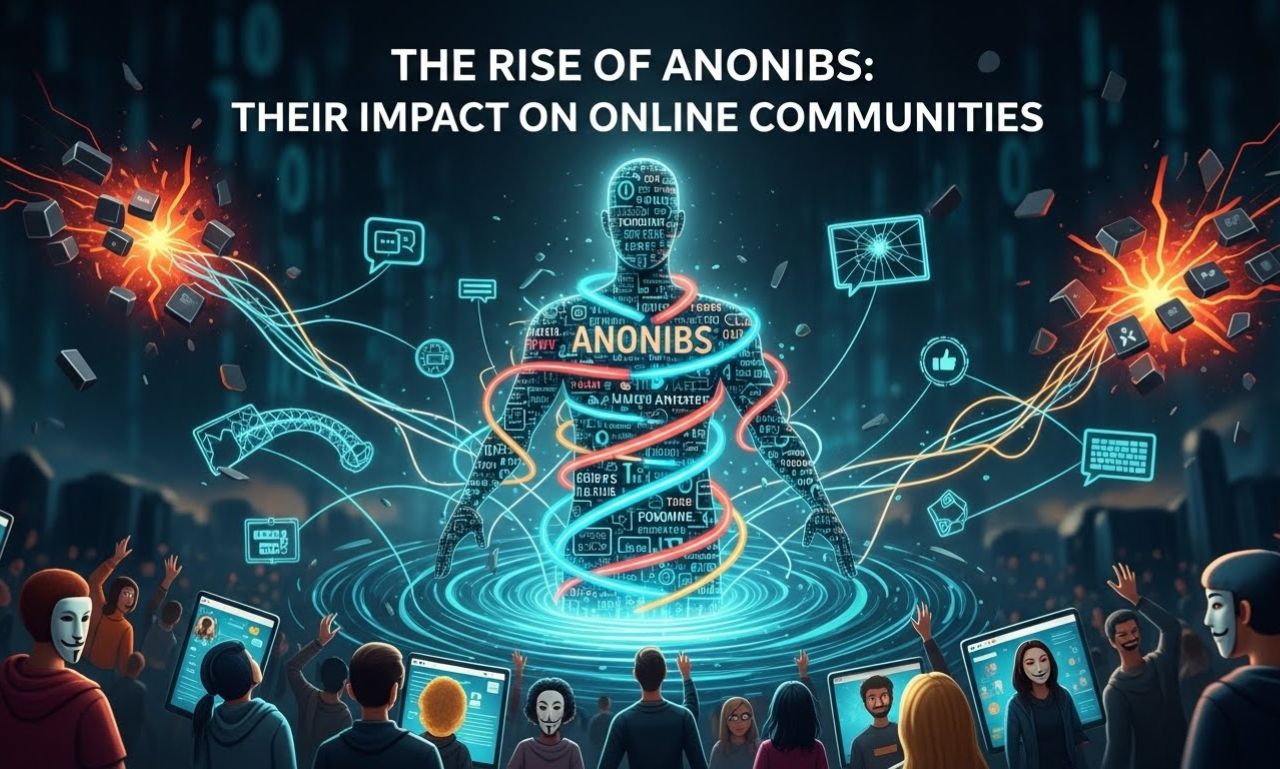
Introduction to Anonibs
In the ever-evolving landscape of online communication, new trends and platforms emerge at a breathtaking pace. Among these innovations, anonibs have carved out a unique niche, transforming how people interact in digital spaces. With their anonymous nature fostering candid conversations, anonibs are both celebrated and scrutinized by users around the globe. But what exactly are anonibs? How did they rise to prominence, and what impact do they have on our online communities? Join us as we dive deeper into this fascinating phenomenon that is reshaping the way we connect—and clash—in virtual environments.
The History and Evolution of Anonibs
The concept of anonibs emerged in the early days of online forums. Anonibs, or anonymous nibs, became a way for users to express their thoughts and opinions without revealing their identities. This anonymity fostered open dialogue across various platforms. As the internet evolved, so did anonibs. They gained popularity on social media sites and comment sections where individuals sought refuge from judgment. The freedom to share unfiltered ideas attracted many users seeking genuine interactions.
With advancements in technology, tools for anonymity became more sophisticated. Users can now engage with communities while carefully curating what information they share about themselves. This evolution sparked discussions around the balance between free expression and accountability. As more people embraced anonibs, online spaces transformed into vibrant yet contentious arenas of discussion—reflecting society’s diverse views and attitudes toward anonymity in communication.
The Impact of Anonibs on Online Communities
Anonibs have transformed the dynamics of online communities in significant ways. They create a landscape where anonymity reigns, allowing users to express thoughts without fear of judgment. This has led to vibrant discussions and exchanges that might not occur under real names. However, this same veil can foster an environment ripe for negativity. Anonibs often become platforms for unchecked opinions and harmful behaviors. The absence of accountability can lead to toxic interactions, affecting community morale.
On a positive note, they offer marginalized voices a chance to be heard. Individuals who may feel silenced or censored find solace in anonymous spaces where they can share their experiences freely. Balancing these aspects is crucial as online communities navigate the complexities brought by anonibs. Embracing both the benefits and challenges will shape how these platforms evolve moving forward.
Positive Effects: Encouraging Authenticity and Free Speech
Anonibs have transformed how people express themselves online. They create spaces where users feel liberated to share genuine thoughts and ideas without fear of judgment. This anonymity encourages vulnerability, allowing voices that might otherwise remain unheard to emerge. In communities dominated by real-name policies, many individuals hesitate to speak out. Anonibs remove these barriers, fostering open dialogue on complex topics like mental health and social justice. Users can engage authentically, sharing personal experiences that resonate with others.
This newfound freedom leads to richer discussions and diverse perspectives. Individuals often feel more empowered to challenge norms or contribute innovative ideas when they know their identity is protected. Anonibs nurture a culture of honesty in online interactions, encouraging participants to voice their true selves while promoting a sense of belonging within various communities.
Negative Effects: Cyberbullying and Toxic Behavior
Anonibs can create a breeding ground for negative behaviors. The anonymity they provide often emboldens individuals to engage in cyberbullying. Without fear of repercussions, some users unleash harsh comments and personal attacks. This toxic environment can easily escalate. Victims may feel powerless as hurtful messages flood their screens, leading to lasting emotional damage. Anonibs allow people to hide behind avatars while inflicting pain on others.
Additionally, the lack of accountability fosters a culture where trolling is normalized. Users might think it’s acceptable to mock or belittle others simply because they are masked by anonymity. Communities that thrive on open dialogue can suffer immensely when toxicity takes hold. Trust erodes, making it difficult for genuine interactions to flourish amid the chaos created by a few disruptive voices.
How to Spot an Anonib and Protect Yourself
Identifying an anonib can be tricky. These users often thrive on anonymity, making it hard to spot them at first glance. Look for erratic posting patterns or comments that lack personal context. Anonibs tend to share opinions without revealing much about themselves. Be wary of accounts with little history or engagement beyond controversial topics. If a user only chimes in during heated discussions, they might be seeking attention rather than genuine interaction.
Protecting yourself involves setting boundaries online. Always question the motives behind anonymous posts and refrain from sharing sensitive information with unknown users. Engaging critically with content helps you maintain a healthy online environment. Report harmful behavior when necessary; moderation tools are there for a reason. Trust your instincts as well—they’re often your best ally in navigating these digital spaces.
Ethical Considerations for the Use of Anonibs
The rise of anonibs brings forth a host of ethical considerations that cannot be ignored. The anonymity they offer can serve as both a shield and a weapon. While this freedom encourages open dialogue, it also leads to potential misuse. Users may exploit their anonymity to engage in harmful behavior without fear of repercussions. It’s essential for online communities to establish guidelines that foster respectful interactions while allowing for genuine expression. Encouraging accountability is key; even anonymous users should adhere to community standards.
Another important aspect is the impact on mental health. Anonibs can create environments where individuals feel more comfortable sharing vulnerabilities, but they can also exacerbate toxic behaviors that harm others. Navigating these complexities requires ongoing conversation about responsibility and empathy in digital spaces. Balancing the benefits with the risks remains an ever-present challenge within online platforms embracing anonib culture.
Conclusion: Embracing Diversity in Online Spaces
The landscape of online communities continues to evolve, shaped significantly by the emergence of anonibs. These anonymous users can bring both challenges and advantages to digital interactions. The ability for individuals to express themselves without fear of judgment fosters a unique sense of authenticity that many crave. However, with this freedom comes responsibility. While some use anonymity as a shield against negativity, others may exploit it for harmful purposes. It is essential for community leaders and members alike to cultivate an environment that promotes kindness while discouraging toxic behavior.
Navigating these spaces requires vigilance and wisdom. Recognizing the presence of anonibs can help individuals protect themselves from potential harm while still enjoying the benefits anonymity offers. As we continue embracing diversity in our online interactions, it’s crucial to strike a balance—a space where authentic voices are heard alongside respectful discourse flourishes. By fostering understanding and compassion among all participants, we can ensure that online communities thrive amidst varying perspectives.