
 By admin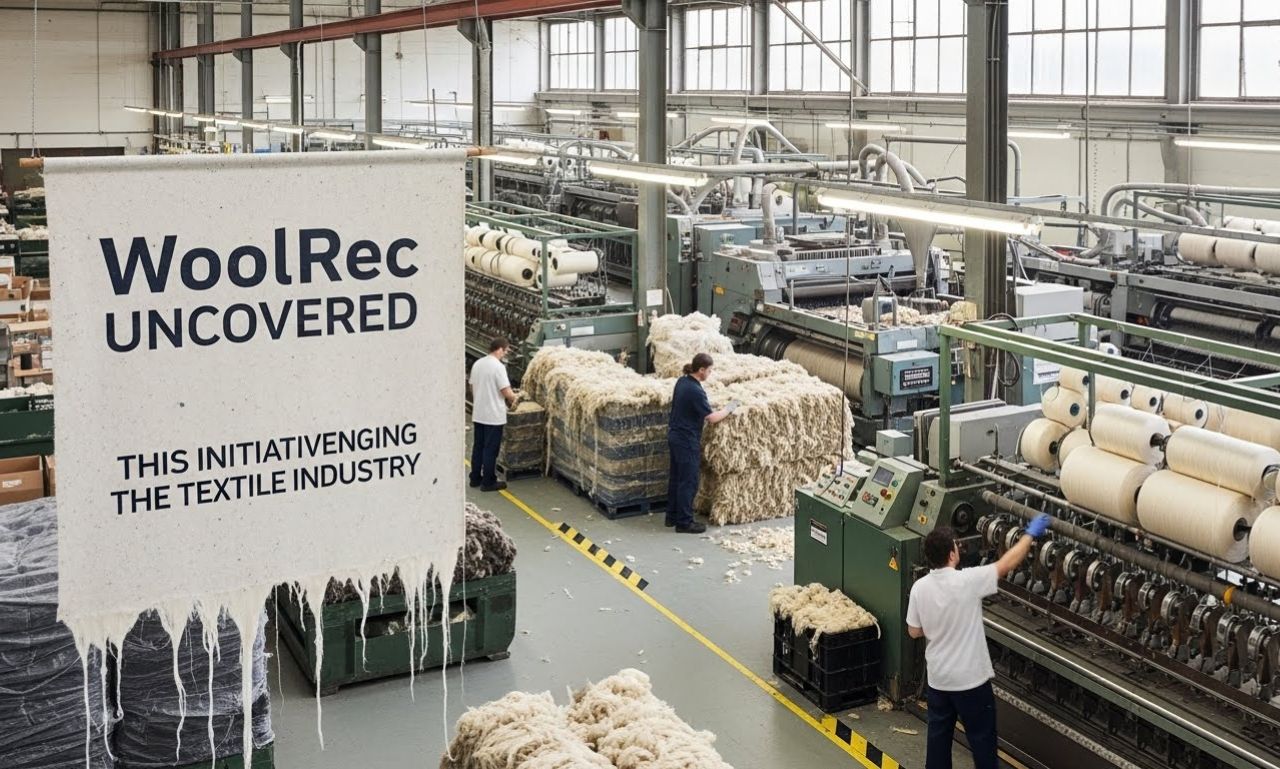
Introduction to WoolRec
WoolRec is making waves in the textile industry, and for good reason. This innovative initiative is reimagining how we think about fabric production. As consumers become increasingly aware of sustainability issues, WoolRec stands at the forefront of a much-needed transformation. Gone are the days when traditional textile methods dominated without regard for their environmental footprint. Today’s conscious buyers are seeking alternatives that not only look good but also do good. Enter WoolRec—a game changer poised to reshape our relationship with textiles for years to come. Curious about how this initiative is turning heads and changing lives? Let’s dive into what makes WoolRec a beacon of hope in an industry ripe for change.
The Problem with Traditional Textile Production
Traditional textile production faces significant challenges. The industry has long been known for its heavy reliance on water, chemicals, and energy. This creates a strain on natural resources and contributes heavily to pollution. Furthermore, the processes often involve harmful dyes and treatments that can contaminate waterways. Workers in many regions face unsafe conditions as they handle these toxic substances daily. The impact extends beyond environmental concerns to social issues. Many laborers work long hours for meager wages without proper safety measures or rights.
The fast fashion trend exacerbates the problem, promoting overproduction and waste. Consumers buy more than ever but rarely consider what happens after they discard their garments. As awareness grows about these issues, there’s an urgent need for change within the sector. New initiatives like WoolRec aim to address these longstanding problems head-on while presenting innovative solutions for a sustainable future.
How WoolRec is Revolutionizing the Industry
WoolRec is making waves in the textile industry by redefining how we think about wool production. By harnessing innovative recycling techniques, this initiative transforms discarded wool into high-quality raw materials. This approach reduces waste significantly while maintaining the integrity of the fibers. Unlike traditional methods that contribute to environmental degradation, WoolRec promotes a circular economy within textiles.
Manufacturers are now able to source sustainable and eco-friendly materials without sacrificing quality or performance. This shift not only benefits the environment but also meets growing consumer demand for responsible fashion choices. As WoolRec gains traction, it inspires other industries to adopt similar practices. The ripple effect could lead to widespread changes across various sectors, paving the way for a more sustainable future in textiles and beyond.
Sustainability and Environmental Impact of WoolRec
WoolRec is making waves in the textile industry by prioritizing sustainability. This initiative focuses on recycling wool, reducing waste, and minimizing the environmental footprint of production processes. By repurposing existing materials, WoolRec decreases reliance on new raw resources. This shift not only lessens landfill contributions but also conserves energy typically used in manufacturing. Moreover, the natural properties of wool contribute to a more sustainable lifecycle. Wool is biodegradable; thus, when recycled products eventually reach their end-of-life stage, they won’t harm ecosystems.
The process employed by WoolRec utilizes fewer chemicals compared to traditional textile methods. This eco-friendly approach safeguards waterways and reduces pollution levels significantly. As consumers increasingly demand greener options, WoolRec stands at the forefront of change—showing that fashion can indeed align with ecological responsibility.
Economic Benefits for Companies and Consumers
WoolRec offers significant economic advantages for both companies and consumers. By utilizing recycled wool, manufacturers can reduce raw material costs. This shift not only lowers production expenses but also enhances profit margins. For consumers, the benefits are equally compelling. Products made from recycled wool often come at competitive prices without sacrificing quality. Shoppers increasingly seek value while supporting sustainable practices.
Moreover, as more businesses adopt WoolRec initiatives, they tap into a growing market of eco-conscious customers. This trend fosters brand loyalty among consumers who prioritize sustainability in their purchasing decisions. Additionally, by investing in recycling technologies and processes, companies can create new jobs within the textile sector. This boost supports local economies and encourages innovation across the industry. The ripple effects of these changes extend beyond immediate financial gains; they pave the way for a more resilient textile economy focused on long-term sustainability.
Future Plans for WoolRec and the Textile Industry
WoolRec has ambitious plans that aim to reshape the future of textile production. By investing in innovative technologies, the initiative seeks to enhance wool recycling processes. This will increase efficiency and sustainability across various sectors. Collaborations with fashion brands are on the horizon. These partnerships will promote eco-friendly practices while ensuring high-quality products for consumers.
Education is another key focus area for WoolRec. They plan to launch workshops and training programs aimed at raising awareness about sustainable wool sourcing and recycling methods within communities. Additionally, expanding their network globally could foster a shift toward more responsible textile consumption worldwide. As WoolRec evolves, it has the potential to inspire other industries facing similar challenges in sustainability. The future looks bright as they push boundaries and drive meaningful change forward in textiles.
Conclusion
The textile industry stands on the brink of a transformation, with initiatives like WoolRec leading the way. By addressing the significant challenges posed by traditional textile production, it offers innovative solutions that are both sustainable and economically viable. WoolRec is not just about textiles; it’s about redefining how we think about materials and their impact on our planet. This initiative champions sustainability while providing economic benefits for companies and consumers alike. As the world becomes more conscious of environmental issues, WoolRec positions itself as a key player in this necessary shift.
Looking ahead, WoolRec’s commitment to continuous improvement suggests an exciting future for both the organization and the broader textile sector. With its forward-thinking approach, it paves a path toward responsible consumption that can inspire others to follow suit. As consumer demand shifts towards eco-friendly products, initiatives like WoolRec will likely shape trends in fashion and home goods for years to come. The effort to create a more sustainable textile industry is gaining momentum—and WoolRec is at its forefront.